Bull sharks are one of the most misunderstood marine animals in the world. Known for their powerful build and confident presence, they often get labeled as aggressive or dangerous without context. In places like Playa del Carmen, where bull shark diving has become a seasonal highlight, divers quickly realize that many of the common beliefs about these sharks are simply myths. Understanding the truth about bull sharks not only helps reduce fear but also promotes marine conservation and responsible diving practices.
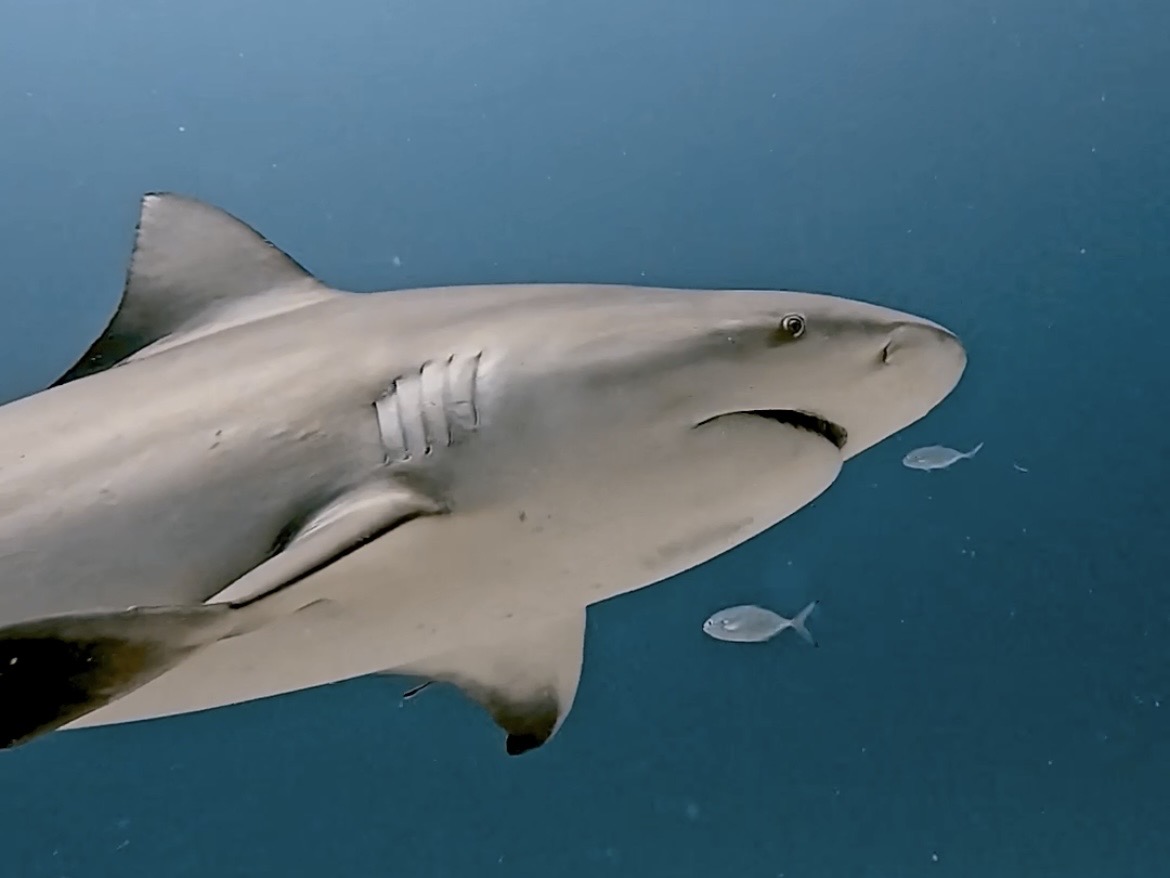
One of the biggest myths about bull sharks is that they are “mindless killers.” In reality, bull sharks are intelligent, curious predators that play an important role in maintaining healthy marine ecosystems. Like all sharks, they are apex predators, meaning they help regulate fish populations and keep reef systems balanced. Their behavior toward divers is typically calm and controlled, especially when dives are conducted under strict professional guidelines. In Playa del Carmen, experienced dive operators follow established safety protocols that prioritize both diver safety and shark well-being.
Another common myth is that bull sharks are constantly attacking humans. While bull sharks are often mentioned in statistics about shark incidents, the overall number of shark bites worldwide remains extremely low compared to other everyday risks. Bull sharks are powerful and adaptable, which means they can live in both saltwater and freshwater environments, but that does not mean they actively seek out people. Most negative encounters in the world occur due to mistaken identity or unusual circumstances, not deliberate attacks.
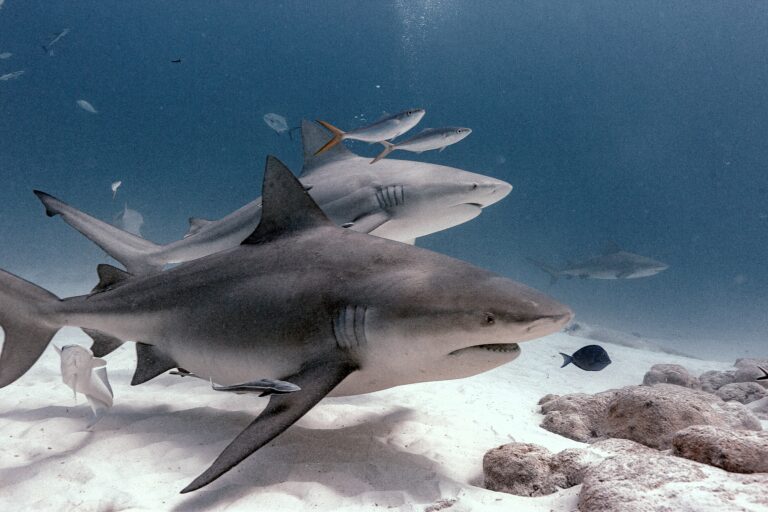
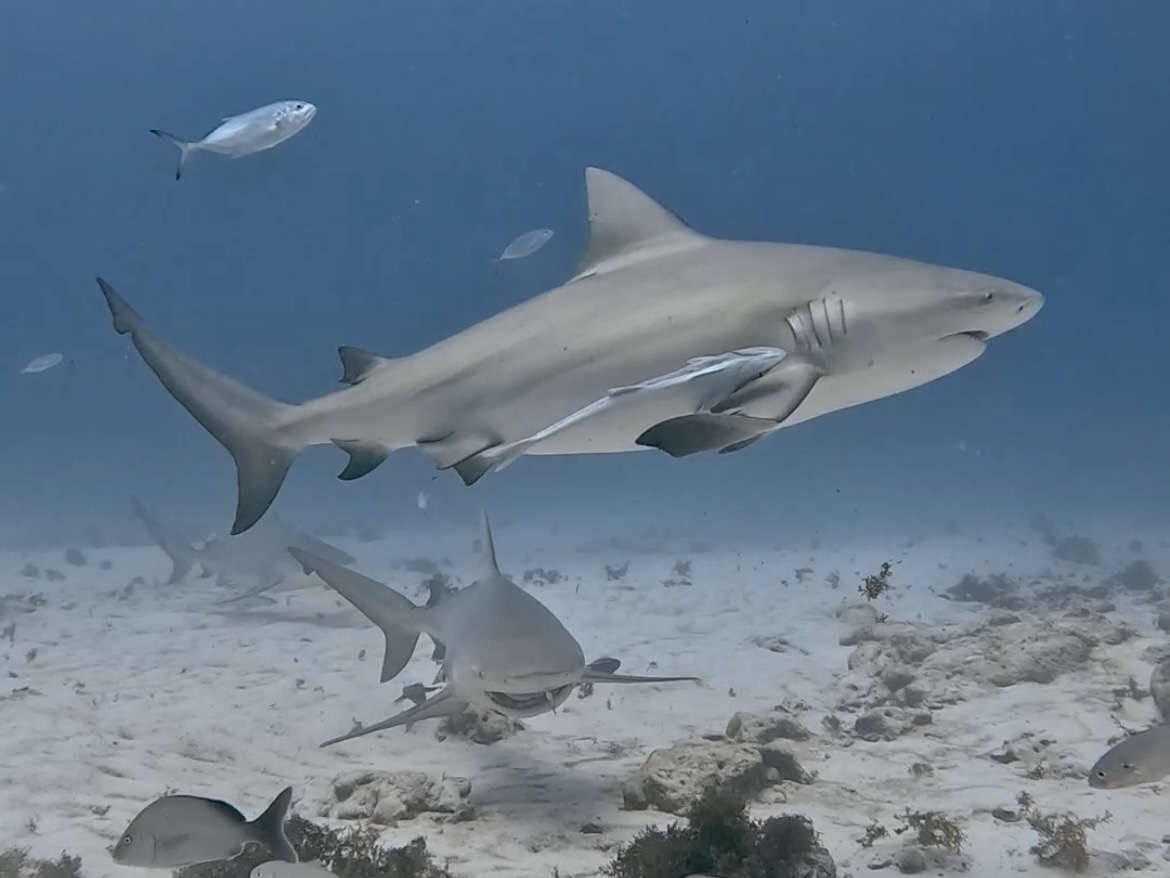
Many people also believe bull sharks are unpredictable and uncontrollable. In reality, shark behavior follows patterns. During bull shark season in Playa del Carmen, which typically runs from November to March, female bull sharks gather offshore. Divers observing them often see slow, steady swimming patterns and clear body language. Professional guides are trained to read shark behavior and ensure dives remain structured and respectful. When conducted responsibly, bull shark diving is a controlled and educational experience.
Another myth is that feeding sharks makes them permanently aggressive toward humans. In regulated dive operations, shark encounters are carefully managed with conservation in mind. Research has shown that sharks do not associate all humans with food simply because of structured dive interactions. Responsible operators follow strict procedures to avoid conditioning harmful behaviors and to minimize environmental impact.
Some people think bull sharks are rare monsters lurking in dark water. In truth, bull sharks are found in warm coastal waters around the world. They prefer shallow environments, estuaries, and river mouths because of their unique ability to tolerate freshwater. This adaptability makes them one of the most fascinating shark species on the planet. Seeing them in clear Caribbean water often surprises divers who expect something more chaotic and frightening.
Finally, there is the myth that sharks, including bull sharks, are a major threat to ocean users. The reality is the opposite. Sharks are far more threatened by humans than humans are by sharks. Overfishing, habitat destruction, and pollution have drastically reduced shark populations globally. Education and responsible ecotourism, such as shark diving in the Riviera Maya, help shift the narrative from fear to respect and conservation.
Bull sharks are powerful, beautiful, and essential to ocean health. By challenging common myths and focusing on facts, divers and ocean lovers can better appreciate these incredible animals. Experiencing bull sharks in their natural habitat, especially in places like Playa del Carmen, often transforms fear into fascination and replaces misunderstanding with respect.