Knowledge development
IncludedPADI Rescue learning materials are included and should be completed around the practical training schedule.
Build confidence and emergency-response skills in a 3-day PADI Junior Rescue Diver course for ages 12-14 with eLearning, pool and ocean scenarios, gear and certification included.
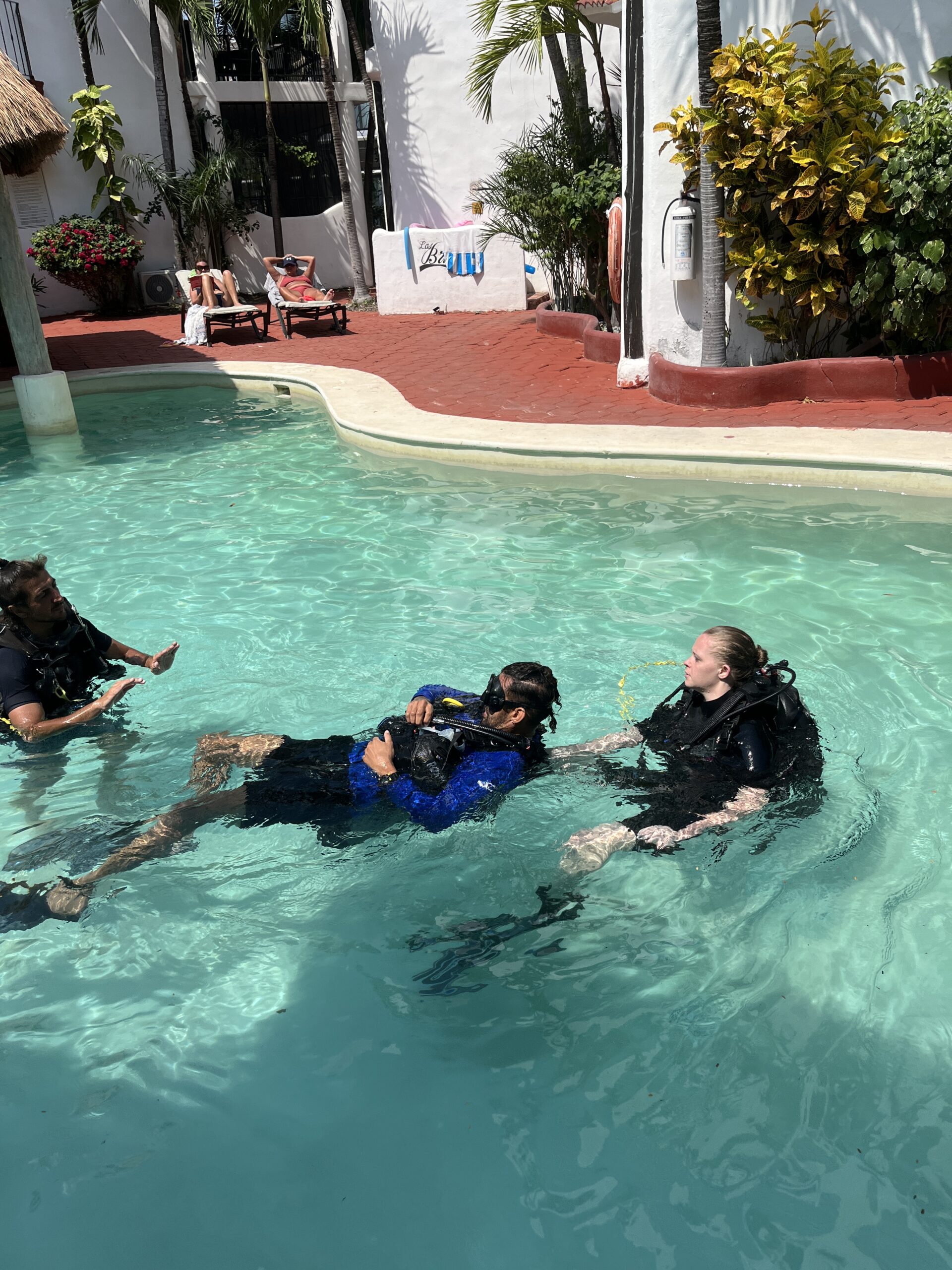

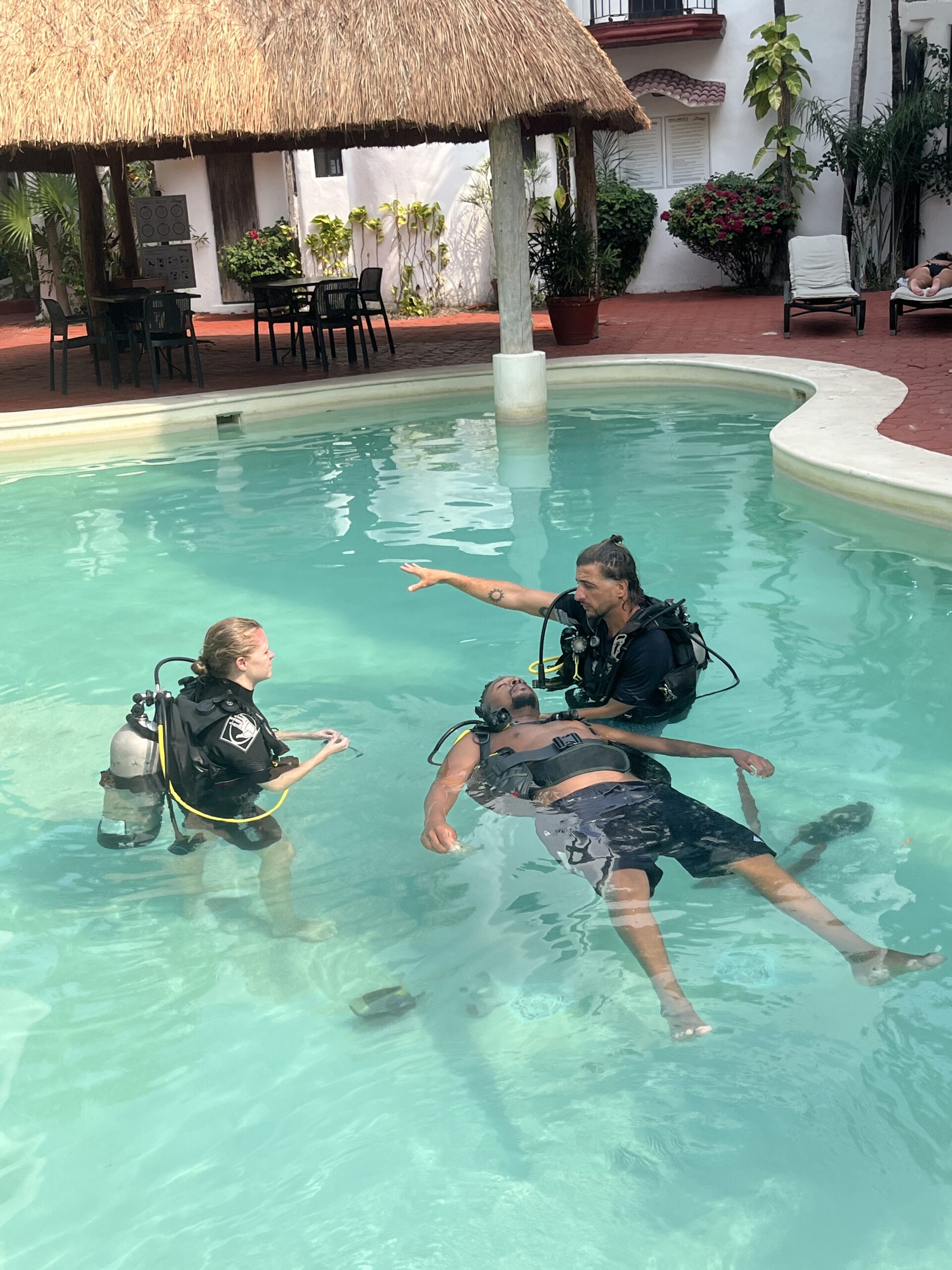
PADI Rescue learning materials are included and should be completed around the practical training schedule.
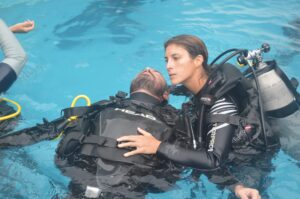
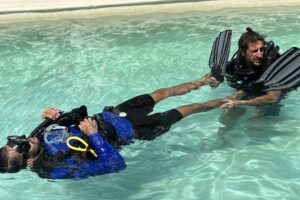
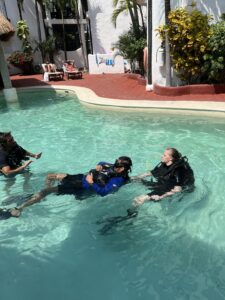
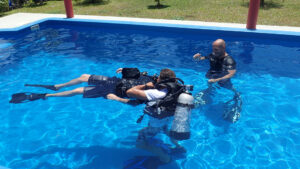
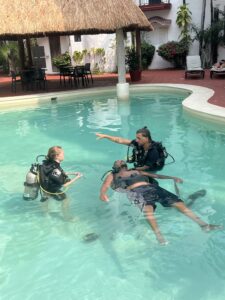
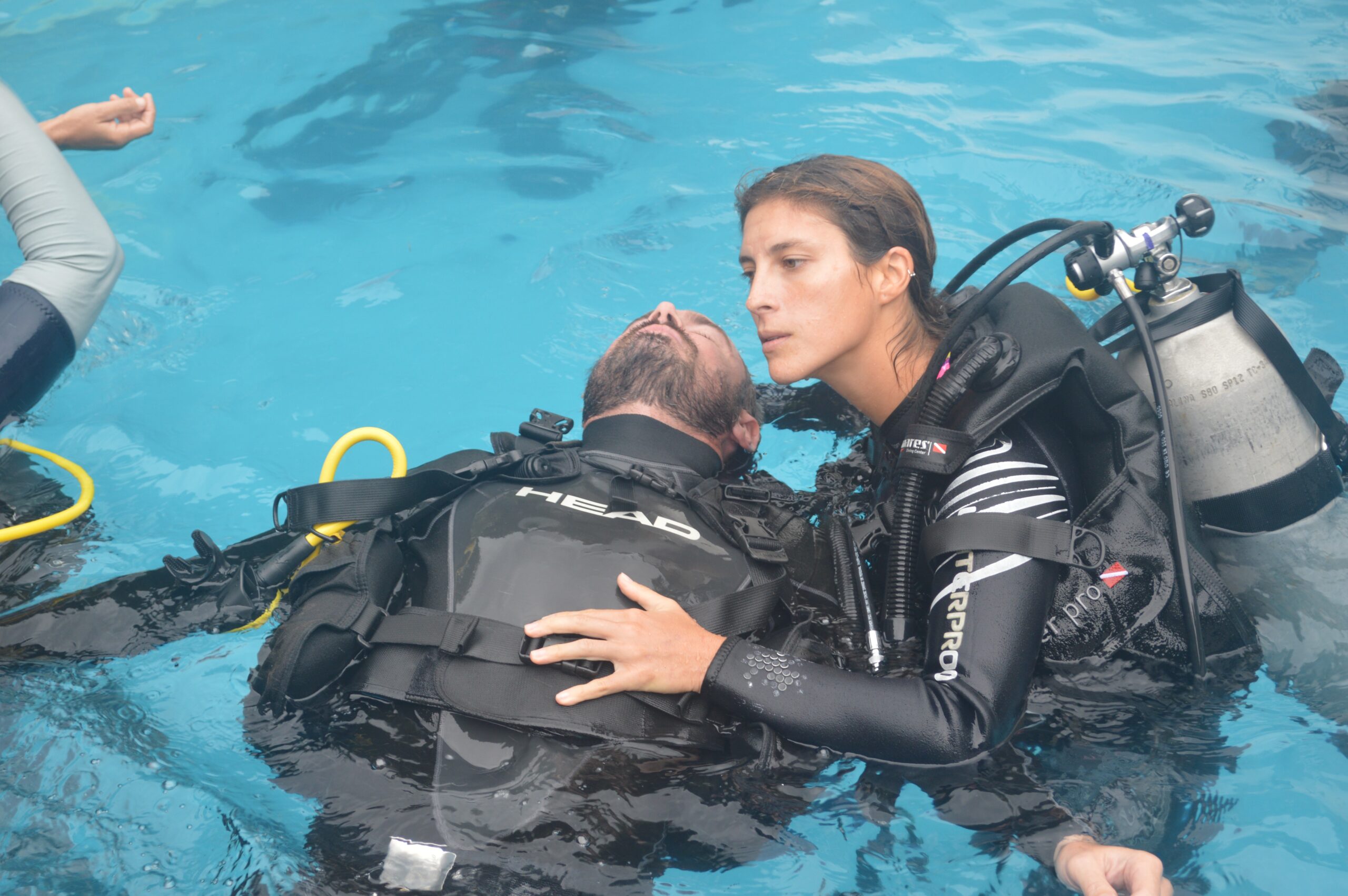
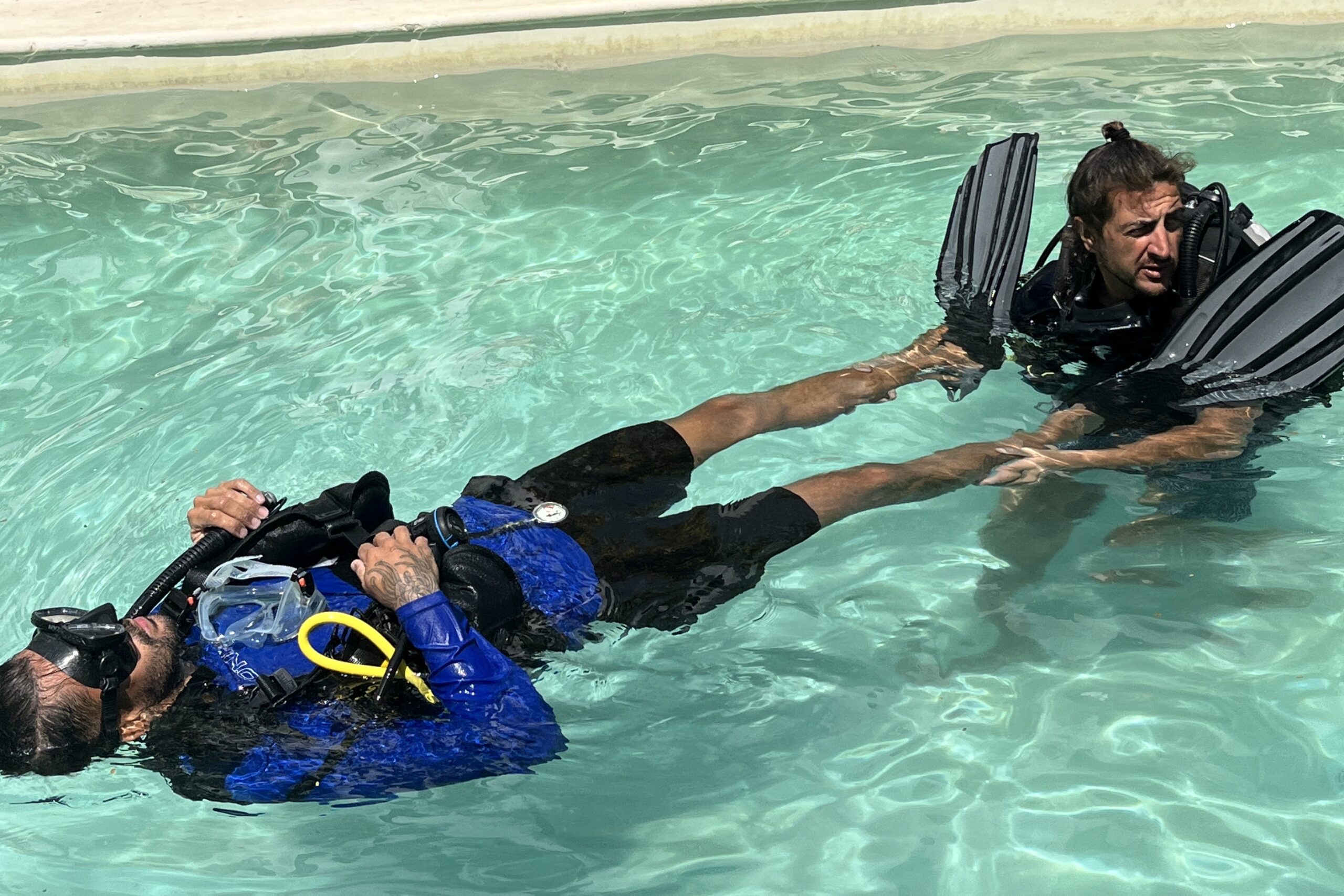
Pool training develops self-rescue, stress recognition and core rescue techniques before open-water scenarios.
The course includes practical ocean rescue scenarios rather than a fixed recreational-dive count.
Review rescue knowledge and practice self-rescue, stress recognition and assisted-diver techniques in the pool.
Apply search, response and diver-assistance skills in controlled open-water scenarios.
Combine the course skills in final rescue scenarios and complete the applicable knowledge/performance requirements.
Training schedule: Three-day progression: theory/pool, first ocean scenarios, then final rescue scenarios and assessment. Exact sequence can vary with the scenario plan.
Training logistics: Ocean rescue scenarios use suitable local training sites and boat operations as selected by the instructor.
Schedule note: Start dates are available subject to instructor availability, student readiness and operational confirmation.
Certification requirements: Training is conducted and evaluated by an appropriately qualified instructor for the agency and course. Certification or recognition is issued only after the applicable course requirements are successfully completed.
The PADI Junior Rescue Diver course turns an experienced young diver’s attention outward: from managing their own dive to recognizing stress, preventing problems and helping a buddy. Xico teaches the course over three progressive days with theory, pool work and ocean scenarios.
Students rehearse self-rescue, tired and panicked diver responses, search skills and emergency management before combining those skills in realistic scenarios. The instructor controls the difficulty so the course stays challenging, age-appropriate and safe.
Rescue training improves awareness, communication and responsibility. Young divers learn to notice small problems earlier and to respond calmly rather than waiting for a situation to escalate.
Junior Rescue is a strong foundation for highly motivated young divers. At ages 15-17, experienced students can consider the Junior Divemaster pathway and continue developing leadership under professional supervision.
Tell us your preferred start date, number of students and any questions. The Xico team confirms instructor availability, the training schedule and next steps before your course is booked.
Prefer WhatsApp? Message Xico →
For Xico’s Junior Rescue program, students must be 12-14, hold Junior Advanced Open Water or an accepted equivalent and meet the required current EFR/CPR/First Aid prerequisites. Xico checks certification, age and paperwork before training begins.
Training focuses on self-rescue, recognizing diver stress, helping tired or panicked divers, search techniques, emergency management and realistic rescue scenarios. The goal is better awareness and decision-making, not just memorizing drills.
Parents can discuss the schedule and suitable observation opportunities with Xico. Some scenarios and boat sessions have operational limits, so the instructor decides what is appropriate without distracting from the student’s training.
Yes. Xico can run its courses with one booked student, so you do not have to wait for us to fill a group. Your requested start date still needs instructor and operational confirmation.
A parent or legal guardian must complete the required participation and medical paperwork for a minor. Age-specific PADI limits and supervision rules continue to apply after certification where relevant.
Scuba students complete the required diver medical screening. Depending on your answers, physician approval may be required before in-water training. Any external physician or consultation cost is separate unless a course page explicitly says otherwise.
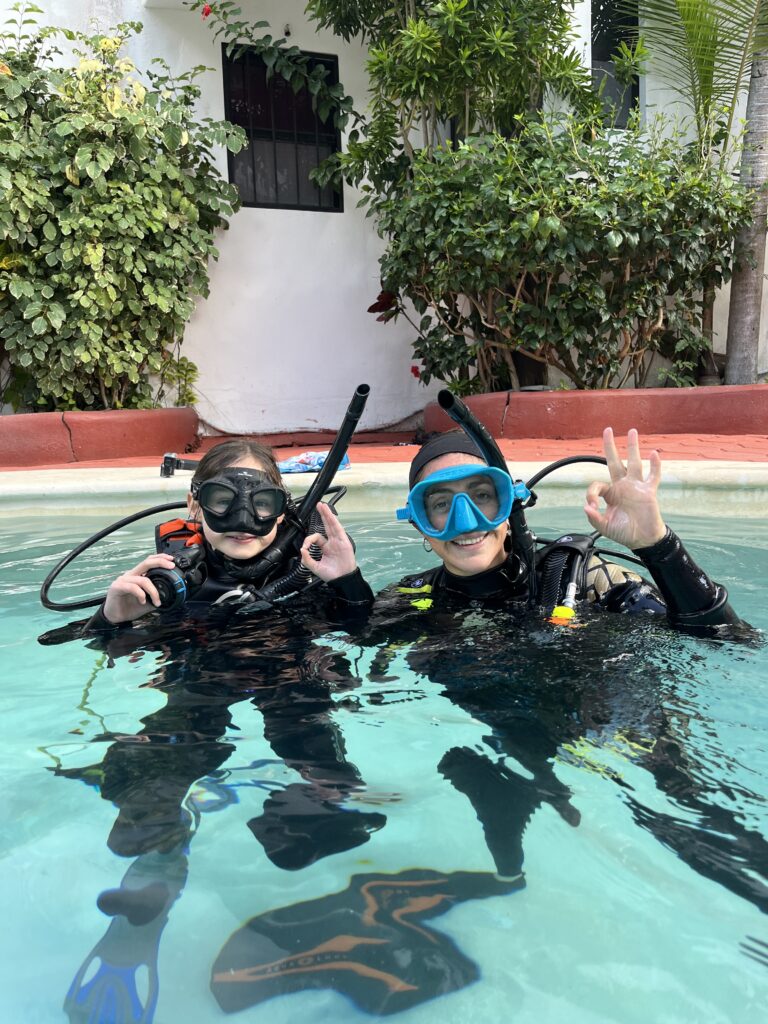
Build leadership and dive-professional skills from ages 15-17 with a minimum 2-week PADI Junior Divemaster program, mentorship, materials and rental gear included.
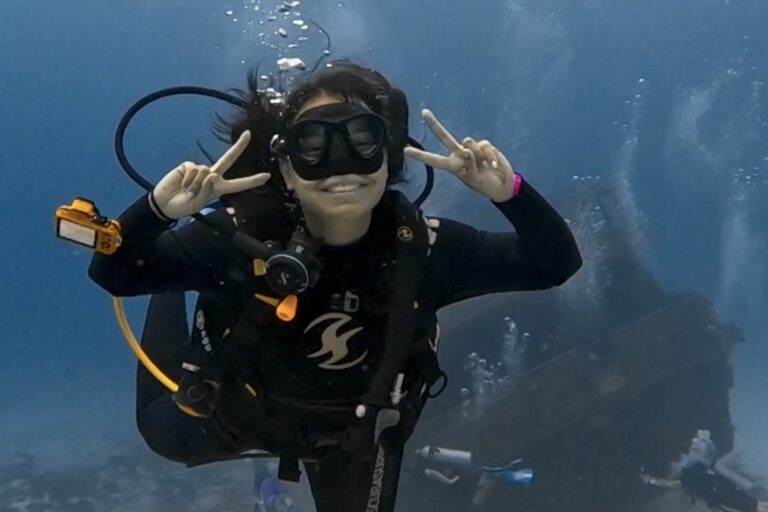
A 3-day PADI Junior Advanced Open Water course for ages 12-14 with five required PADI Adventure Dives plus an extra guided fun dive in Xico’s normal six-dive format. If Night is selected and suitable, the course normally runs as five total dives.
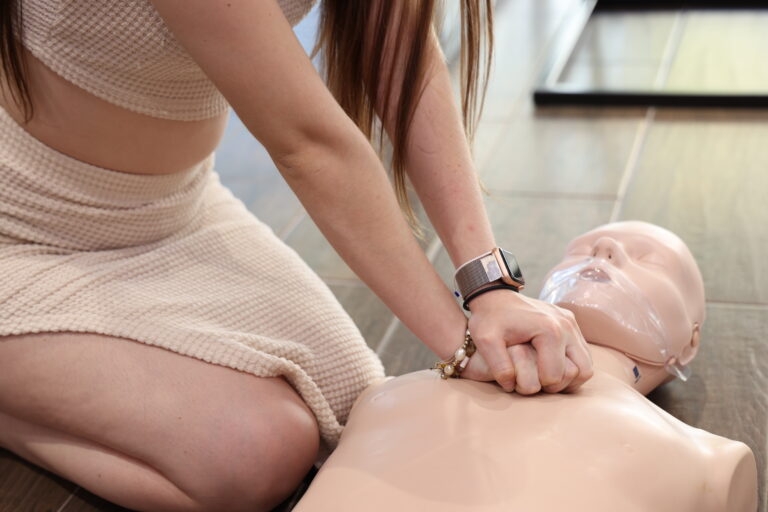
Choose EFR Primary & Secondary Care, Care for Children, or combine both in one complete one-day first-aid program at Xico. No scuba certification required.