Cenote diving in Mexico is one of the most unique underwater experiences in the world, offering crystal-clear freshwater, dramatic rock formations, and surreal light effects you won’t find in the ocean. Located throughout the Riviera Maya, these natural sinkholes are part of an extensive underground river system connected to the Yucatán Peninsula. For many divers, a first cenote dive feels like entering another planet and the good news is, you don’t need to be an advanced diver to experience it.

For first-time cenote diving, it’s important to understand that most beginner-friendly dives are done in the “cavern zone,” not full cave systems. This means you will always remain within sight of natural light and have a direct route to the exit. As long as you are a certified Open Water diver, comfortable in the water, and have decent buoyancy control, you can safely enjoy cenote diving with a professional guide. Unlike cave diving, which requires specialized training, cavern diving is designed to be accessible while still offering that incredible overhead environment feel.
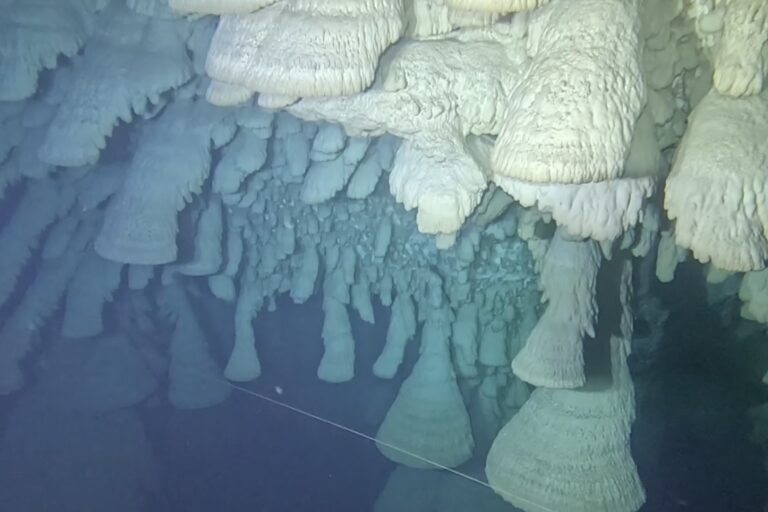
One of the first things divers notice about cenotes is the visibility often exceeding 100 meters (300 feet). The water is filtered through limestone, making it some of the clearest in the world. Combined with sunlight streaming through openings in the jungle above, this creates stunning light beams that shift throughout the day. Cenotes like Dos Ojos Cenote are famous for these effects, along with their intricate stalactites and stalagmites formed thousands of years ago.
Another unique feature of cenote diving is the halocline, a visual phenomenon that occurs when freshwater and saltwater mix. When you pass through it, the water can look blurry or distorted, almost like heat waves underwater. Some cenotes, like Cenote Angelita, even feature a hydrogen sulfide cloud that creates the illusion of an underwater river with trees an unforgettable and slightly eerie experience.
Because cenote diving is very different from ocean diving, there are a few important techniques to keep in mind. Good buoyancy control is essential, as the delicate rock formations can be easily damaged and the silt on the bottom can reduce visibility if disturbed. Frog kicks are typically recommended to avoid stirring up sediment. Divers are also asked to follow the guide closely and stay within marked lines, which are there for safety and navigation.
Equipment for cenote diving is similar to standard scuba gear, but there are a few key additions. A good dive light is essential, even during the day, to fully appreciate the formations and colors inside the cavern. Exposure protection is also important, as cenote water tends to be cooler than the ocean, usually around 24–25°C (75–77°F). Many dive operators provide everything you need, including lights and appropriate tanks for the dive profile.
Safety is a top priority in cenote diving, and dives are always led by certified cavern or cave guides who know the system intimately. Briefings are more detailed than typical ocean dives, covering navigation, communication, and emergency procedures. While the environment may look intimidating at first, following the guide and staying aware of your surroundings makes it a very controlled and safe experience.
The best part about cenote diving is that no two cenotes are the same. Some are wide and filled with light, while others are darker and more enclosed, offering a more adventurous atmosphere. Popular beginner-friendly options include Dos Ojos, Cenote Chikin Ha, and Cenote Chac Mool, all of which showcase the beauty of the underground world without requiring advanced training.
Overall, a first cenote dive is something every diver should experience at least once. It’s calm, silent, and visually stunning in a way that ocean diving can’t replicate. Whether you’re gliding through crystal-clear water, watching light rays dance through the cavern, or exploring ancient formations, cenote diving in the Riviera Maya is truly unforgettable and often becomes a highlight of any trip to Mexico.