
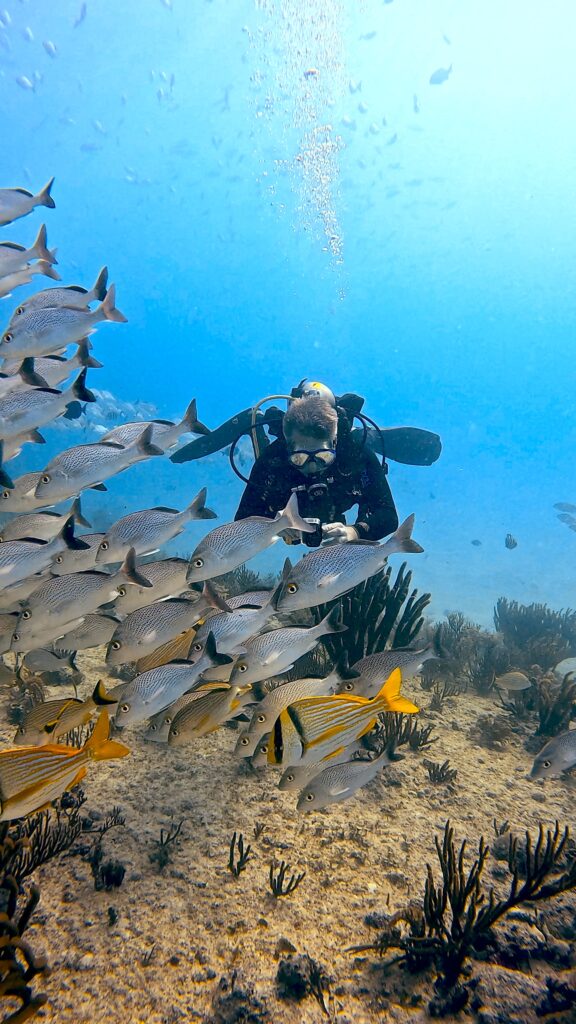
Choosing the right dive mask is one of the most important gear decisions for any diver or snorkeler. A good mask helps you see clearly, stay comfortable, avoid leaks, and feel more relaxed underwater.
The best dive mask is not always the most expensive one. The best mask is the one that fits your face, seals properly, feels comfortable, and matches the type of diving or snorkeling you want to do.
This guide explains how to choose a dive mask, what features matter, what beginners should avoid, and when it makes sense to buy your own mask instead of renting one.
Fast answer: Choose a dive mask by fit first, not by color or brand. The mask should seal gently against your face without the strap, feel comfortable around your nose and forehead, use tempered glass, and allow you to equalize easily. If the mask does not fit your face, even an expensive mask will leak.
Why Your Dive Mask Matters
Your dive mask is your window underwater. If it leaks, fogs constantly, presses on your face, or feels uncomfortable, it can turn a beautiful dive into a frustrating experience.
A well-fitting mask helps you:
- See clearly underwater
- Feel calmer and more confident
- Reduce leaks during the dive
- Clear water more easily
- Equalize your mask and ears more comfortably
- Enjoy snorkeling, reef dives, cenotes, Cozumel or courses with less stress
For many divers, the first piece of personal gear worth buying is a mask. Rental BCDs, regulators, wetsuits and fins can work well, but a mask depends heavily on your face shape.
The Most Important Rule: Fit Comes First
Fit is the most important part of choosing a dive mask. A mask can have beautiful lenses, a famous brand and a great color, but if it does not seal on your face, it is the wrong mask for you.
To test the fit:
- Place the mask gently on your face without using the strap.
- Make sure no hair is trapped under the skirt.
- Breathe in gently through your nose.
- The mask should stay on your face for a moment without falling.
- Check that it does not press painfully on your nose, forehead or upper lip.
Do not inhale too hard during the test. You are only checking whether the skirt can create a natural seal.
Common Signs a Mask Does Not Fit
A mask may be the wrong fit if:
- It leaks during every dive
- It presses hard on the bridge of your nose
- It leaves painful marks after a short time
- It touches your forehead or upper lip in an uncomfortable way
- You need to over-tighten the strap to make it seal
- Water enters when you smile or move your face
A tight strap does not fix a bad mask fit. In many cases, over-tightening makes leaks worse because it deforms the silicone skirt.
Choose a Silicone Skirt
Most good dive masks use a silicone skirt. The skirt is the soft part that seals against your face.
Silicone is usually preferred because it is flexible, comfortable, durable and better at creating a seal than old-style rubber masks.
Clear silicone can feel more open and bright, which some beginners like. Black silicone can reduce side glare and is often preferred by photographers, freedivers and divers who like a more focused view. Both can work; fit matters more than color.
Use Tempered Glass Lenses
For scuba diving and serious snorkeling, choose a mask with tempered glass lenses. Tempered glass is stronger and safer than normal glass or cheap plastic lenses.
Avoid toy-style masks or very cheap masks that do not clearly say they are made for scuba or serious snorkeling. A real dive mask should be built for underwater pressure, equalization and safe use in the ocean.
Single Lens vs Twin Lens Dive Masks
Dive masks usually come in single-lens, twin-lens or multi-lens designs.
Single-Lens Masks
Single-lens masks have one continuous front lens. Many divers like them because they feel open and give a wide view.
They can be a good choice if you want a simple, comfortable mask with fewer visual divisions in front of your eyes.
Twin-Lens Masks
Twin-lens masks have two separate lenses. They are often compact and can work well for many face shapes.
Some prescription lens options are easier to find in twin-lens designs, depending on the brand and model.
Side or Panoramic Lenses
Some masks add side windows or panoramic designs to increase field of view. These can feel bright and spacious, but they are not automatically better for every diver.
Try the mask on first. A wider view does not help if the mask leaks or presses on your face.
Low-Volume vs Standard-Volume Masks
Mask volume means how much air space is inside the mask. This affects how close the lenses sit to your face and how easy the mask is to clear.
Low-Volume Masks
Low-volume masks sit closer to your face. They are popular with freedivers, spearfishers and many scuba divers because they are easier to clear and often feel compact.
They can be a good choice if you want less air space, easier clearing and a closer field of vision.
Standard-Volume Masks
Standard-volume masks may feel more spacious and comfortable for some divers, especially people with larger faces or those who do not like the lens sitting very close.
There is no universal winner. Choose the mask that fits and feels better on your face.
Make Sure You Can Equalize Easily
A real dive mask must let you pinch or access your nose comfortably. This matters because scuba divers need to equalize their ears during descent.
When trying a mask, check that you can easily reach your nose pocket and pinch your nose without pushing the mask out of position.
If you are new to equalization, read our guide to equalizing your ears while diving.
Check the Strap and Buckles
The strap should be easy to adjust and comfortable around the back of your head. Buckles should feel solid and should not be difficult to use.
Many divers also like adding a neoprene mask strap cover because it makes the mask easier to put on, especially if you have long hair.
The strap should hold the mask in place, but it should not be the main reason the mask seals. The skirt and fit do the sealing.
Should Beginners Buy Their Own Mask?
For many beginners, yes. A personal mask is often the first piece of scuba gear worth buying because it affects comfort so much.
If you are doing Discover Scuba Diving only once, renting gear is fine. But if you plan to dive again, take the PADI Open Water Diver Course, snorkel often, or travel for diving, owning a mask that fits your face can make a big difference.
A good mask can be used for scuba diving, snorkeling, cenotes, local reef dives, Cozumel trips and many future vacations.
Dive Mask vs Snorkel Mask
Many scuba masks can also be used for snorkeling, but not every casual snorkel mask is a good scuba mask.
For scuba diving, choose a mask that has:
- Tempered glass lenses
- A soft silicone skirt
- A nose pocket for equalization
- A comfortable seal
- A strong strap and buckles
Avoid full-face snorkel masks for scuba diving. They are not scuba masks and are not used for normal recreational scuba training or guided dives.
What About Prescription Dive Masks?
If you wear glasses or contact lenses, a prescription dive mask may be worth considering. Some masks can accept corrective lenses, while others are sold with built-in lens options depending on the model.
Many divers also dive with soft contact lenses, but you should be comfortable with the risk of losing one if your mask floods or you need to clear it underwater.
If you need vision correction, ask before buying. Not every mask model works well for prescription lens options.
How to Avoid Mask Fogging
New masks often fog because of residue left from manufacturing. Before using a new mask, it usually needs to be prepared properly.
Common anti-fog steps include:
- Cleaning the inside of the lens before first use
- Using mask defog before dives
- Rinsing lightly before putting the mask on
- Avoiding sunscreen or oily products inside the mask skirt
- Not touching the inside of the lens with greasy fingers
Ask the dive team how to prepare your specific mask. Some lens coatings need different care, so do not damage a new mask by cleaning it aggressively without checking first.
Best Dive Mask Features for Beginners
If you are buying your first dive mask, keep it simple.
Look for:
- Comfortable fit
- Good seal
- Soft silicone skirt
- Tempered glass
- Easy nose access for equalization
- Simple, reliable strap and buckles
- Easy clearing
Do not choose a mask only because it looks cool. A mask that fits your face well is better than a trendy mask that leaks.
Common Dive Mask Buying Mistakes
Avoid these mistakes when choosing a dive mask:
- Buying only by color
- Buying only by brand
- Choosing the cheapest mask online without trying it
- Over-tightening the strap to compensate for bad fit
- Buying a mask that presses painfully on the nose
- Ignoring equalization access
- Confusing casual snorkel masks with scuba masks
- Forgetting to prepare the mask before the first dive
When to Replace Your Dive Mask
A good dive mask can last a long time, but it does not last forever.
Consider replacing your mask if:
- The silicone skirt is cracked, sticky, stiff or yellowed
- The strap or buckles are damaged
- The lenses are badly scratched
- The mask leaks even after careful fitting
- It no longer feels comfortable
- You bought a cheap beginner mask and now dive more often
Can You Buy Dive Masks at Xico Dive Center?
Yes. Xico Dive Center keeps selected masks and snorkel gear available for divers and snorkelers in Playa del Carmen.
We focus on practical gear that makes sense for real divers, not an overwhelming wall of random products. If you need a mask before a dive, snorkel trip or course, ask our team which models are currently available.
You can also browse our Masks & Snorkels category online.
Best tip: If you are in Playa del Carmen, try the mask on before buying whenever possible. Face shape matters more than product photos.
Which Mask Is Best for Your Dive Plan?
The best mask may depend on what you want to do.
- For Discover Scuba Diving: comfort and easy clearing matter most.
- For Open Water training: choose a mask that seals well and lets you practice skills confidently.
- For local reef diving: comfort, visibility and easy equalization are important.
- For cenotes: low-volume masks and good fit can be helpful because visibility is part of the experience.
- For frequent travel: choose a durable mask and protect it in a mask box.
- For underwater photography: many divers prefer black silicone to reduce glare.
If you are planning to dive in Playa del Carmen, start with local reef diving. If you are not certified yet, choose Discover Scuba Diving or the PADI Open Water Diver Course.
Frequently Asked Questions About Choosing a Dive Mask
How do I know if a dive mask fits?
Place the mask gently on your face without using the strap, make sure no hair is under the skirt, and breathe in gently through your nose. If the mask seals briefly without pressure or pain, it may be a good fit.
Should a dive mask feel tight?
No. A dive mask should feel secure but not painfully tight. Over-tightening the strap can deform the skirt and cause leaks. The seal should come from fit, not strap pressure.
What is the best dive mask for beginners?
The best dive mask for beginners is one that fits well, seals comfortably, uses tempered glass, has a soft silicone skirt, and lets you equalize and clear the mask easily.
Is a low-volume mask better?
A low-volume mask can be easier to clear and sits closer to the face, but it is not automatically better for everyone. Choose the mask that fits your face and feels comfortable.
Can I use a snorkel mask for scuba diving?
Some scuba masks can be used for snorkeling, but not every snorkel mask is suitable for scuba diving. For scuba, choose a real dive mask with tempered glass, a silicone skirt, a nose pocket and a secure fit.
Why does my dive mask keep leaking?
Common reasons include poor fit, hair under the skirt, over-tightening the strap, facial movement, an old silicone skirt or a mask shape that does not match your face.
How do I stop my dive mask from fogging?
Prepare new masks before first use, use defog before diving, rinse lightly, and avoid touching the inside of the lens with oily fingers. Some coated lenses need special care, so ask before cleaning aggressively.
Can I buy a dive mask in Playa del Carmen?
Yes. Xico Dive Center keeps selected masks and snorkel gear available in Playa del Carmen. You can also browse the Masks & Snorkels category online.
Final Thoughts
A good dive mask should fit your face, seal comfortably, use safe materials and help you feel relaxed underwater. Do not buy only by color, brand or price. Fit comes first.
If you are in Playa del Carmen and need a mask before diving, snorkeling or starting a course, visit Xico Dive Center or browse our Masks & Snorkels category.