
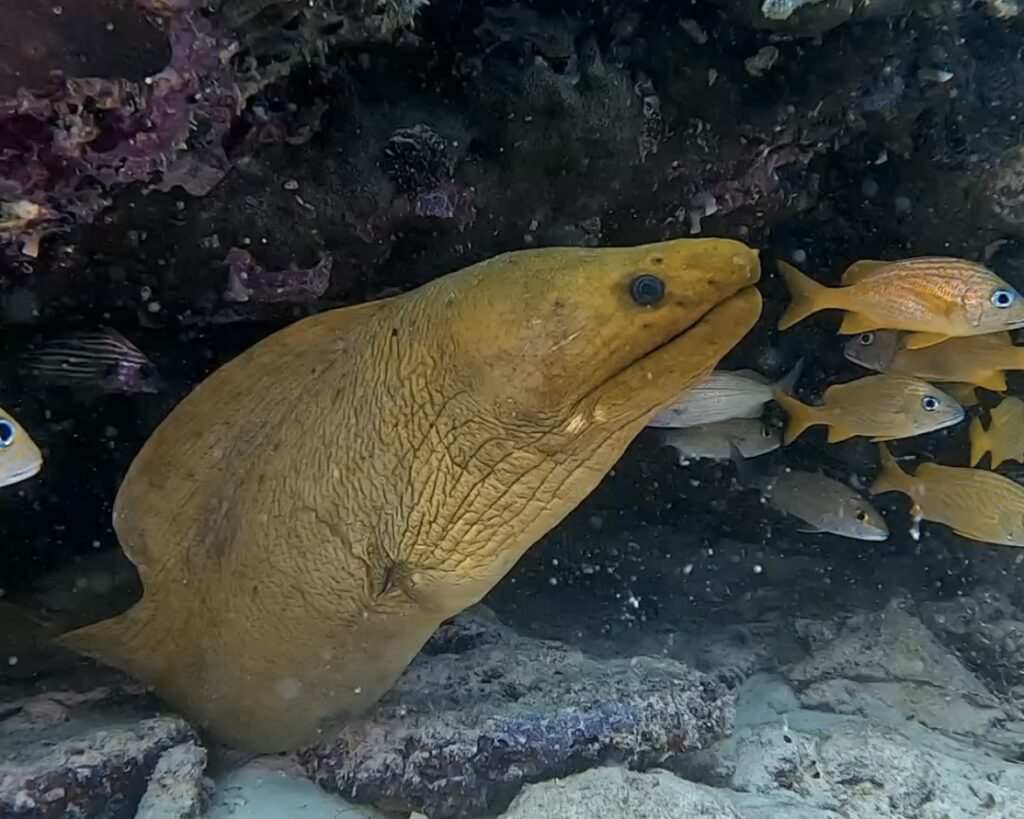
Planning a dive trip to Mexico is exciting, but a little preparation makes the whole experience easier. Between warm Caribbean reefs, cenotes, Cozumel-style drift dives, boat days, cash payments, reef-safe sunscreen rules, and no-fly timing, traveling divers should know what to expect before they arrive.
This guide is for certified divers visiting Mexico who want practical travel tips: what gear to bring, what to leave at home, how to plan around flights, what to expect in warm water, and how to avoid common mistakes on a dive vacation.
Fast answer: For a Mexico dive trip, bring your certification card if you have it, a mask, dive computer if you use one, swimsuit, towel, reef-safe sun protection, cash for tips or local fees, and enough time before flying after diving. If you plan multiple dive days, tell us your certification level, last dive date, and what kind of diving you want to do.
Certification Proof: Bring It If You Have It
If you are already certified, it is always best to bring your certification card or digital proof of certification.
In reality, many divers do not travel with the physical card anymore. Most of our guests are PADI divers, and we can often verify PADI certifications online. Still, if you are certified with another agency or have an older certification, bringing digital proof makes check-in easier.
You should also know your certification level, last dive date, and approximate number of logged dives. This helps us recommend the right plan for your level and comfort.
If you are certified but have not dived in a long time, be honest about it. A refresher or an easier first dive plan may be safer than jumping straight into more demanding dives.
Pack the Personal Gear That Matters Most
You do not need to travel with a full dive kit unless you prefer using your own equipment. Many divers rent BCDs, regulators, weights, tanks, and wetsuits locally.
The most useful personal items to bring are usually:
- Your mask, especially if you already have one that fits well
- Your dive computer, especially for multi-day diving
- Your certification card or digital certification if available
- Swimsuit and towel
- Rashguard or sun shirt
- Reef-safe sunscreen for after diving
- Dry clothes for after boat or cenote days
- Reusable water bottle
A good mask fit can make a huge difference. A leaking mask can turn a relaxed dive into an annoying one, especially if you are doing several dives during your trip.
Know What to Pack in Carry-On vs Checked Luggage
If you travel with your own scuba equipment, pack delicate and expensive items carefully.
- Regulators are usually best kept in carry-on luggage.
- Dive computers and dive lights often contain lithium batteries and may need to travel in carry-on luggage. Check your airline rules before flying.
- Masks should be stored in a protective case.
- Fins, wetsuits, BCDs, and heavier items can usually go in checked luggage.
- Check airline weight limits if you travel with a full dive kit.
Be careful with dive knives, shears, or sharp tools. They can cause problems at airport security if packed incorrectly, and they can also create issues when taking the ferry to Cozumel. Unless you truly need them, it is often easier to leave dive knives at home.
Plan the Right Exposure Protection
Ocean diving in Mexico is often warm, but that does not mean every diver feels warm on every dive.
In summer, many divers are comfortable with only a rashguard, especially on local ocean dives. Other divers still prefer a thin wetsuit because of boat rides, wind, long dive days, or personal comfort.
Many divers are comfortable in a 3 mm wetsuit for ocean dives. Cenotes can feel cooler, especially during longer dives or two-cenote days, so some divers prefer thicker exposure protection.
If you get cold easily, tell us before the trip so we can recommend the best option.
Use Reef-Safe Sun Protection
Mexico has sensitive reefs, cenotes, and marine environments. The best sun protection is a rashguard, hat, sunglasses, and shade when possible.
If you use sunscreen, choose reef-safe options and avoid applying heavy sunscreen immediately before entering the water. In some protected areas, sunscreen rules may be stricter.
A lightweight long-sleeve rashguard is often better than relying only on sunscreen, especially on boat days.
If you need it before your dive day, we also sell reef-safe sunscreen at Xico Dive Center.
Bring Cash for Tips, Taxis, and Local Fees
Cards are common in many tourist areas, but cash is still useful in Mexico.
Bring small bills for:
- Tips for guides, instructors, boat crew, and drivers
- Taxis
- Small shops or local food stops
- Cenote entrance fees or local payments when applicable
- Unexpected small expenses during dive days
Do not rely only on large bills. Smaller bills make everything easier.
Plan Your Dive Days Around Your Experience Level
Mexico has many different types of diving. A relaxed local reef dive, a Cozumel drift dive, a cenote dive, a wreck dive, and a seasonal bull shark dive are not the same level of difficulty.
Before planning your trip, tell us:
- Your certification level
- Your last dive date
- Approximate number of logged dives
- Whether you feel current and comfortable
- Whether you want local reefs, cenotes, Cozumel, courses, or specialty dives
A good dive plan should match your real comfort and experience, not only the certification card you have.
Respect No-Fly Time After Diving
Do not schedule dives too close to your flight. No-fly timing matters, especially if you do multiple dives over several days.
Many divers keep the final day of the trip as a non-diving day. That gives you time to relax, explore, pack, and reduce stress before traveling.
When planning your dive vacation, tell us your flight date and time so we can help you avoid bad scheduling.
Stay Hydrated and Avoid Heavy Alcohol Between Dive Days
Mexico can be hot and humid. Dehydration, too much sun, little sleep, and heavy alcohol can make dive days feel harder.
Drink water, use electrolytes if needed, sleep well, and avoid heavy drinking before dive days. This helps you feel better on the boat and underwater.
If you feel unwell, dizzy, hungover, or unsafe to dive, tell us before entering the water.
Plan With Xico Before You Arrive
The best dive plan depends on your certification, last dive date, number of dives, comfort level, travel dates, flight time, and the type of diving you want to do.
Some divers are ready for Cozumel or cenotes immediately. Others should start with local reef diving or a refresher first. Some divers want to combine reef dives, cenotes, courses, and rest days into one realistic schedule.
Send us your details before your trip and we can help you build a plan that makes sense for your level and schedule.
Think About Personal Travel and Dive Accident Insurance
For traveling divers, personal travel insurance and personal dive accident coverage can be important, especially if your trip includes multiple dive days, boat trips, cenotes, or international travel.
This is something you arrange personally as a traveler. It is different from the insurance a professional operator may carry for its business, vehicles, boats, or activities.
Before your trip, check what your personal insurance covers and whether scuba diving is included.
Protect the Reefs, Cenotes, and Marine Life
Mexico’s underwater environments are beautiful, but fragile. Responsible diving matters.
- Do not touch coral.
- Do not chase, feed, or harass marine life.
- Keep good buoyancy.
- Secure dangling equipment.
- Use reef-safe sun protection.
- Follow your guide’s briefing.
- Respect cenote and marine park rules.
Good divers leave the site better than they found it.
Plan More Than One Type of Diving
One of the best things about diving in the Riviera Maya is variety. Depending on your level and schedule, you may be able to combine local reef dives, cenotes, Cozumel, specialty courses, or seasonal experiences.
If you have several days, ask us to help you build a realistic plan. The best order depends on your level, last dive date, weather, conditions, port status, and what you want to experience.
For a full itinerary approach, see our guide on how to plan a scuba diving vacation in Playa del Carmen.
Quick Mexico Dive Travel Checklist
| Item | Why It Matters |
|---|---|
| Certification card or digital proof | Useful for check-in, especially if online verification is not possible |
| Last dive date | Helps us recommend the right plan |
| Mask | Personal fit improves comfort |
| Dive computer | Useful for repetitive dive days; check lithium battery airline rules |
| Rashguard or wetsuit | Helps with sun protection and comfort |
| Cash in small bills | Useful for tips, taxis, local fees, and small expenses |
| Flight time | Important for no-fly planning after diving |
| Reef-safe sun protection | Helps protect reefs and cenotes |
Ready to Plan Your Mexico Dive Trip?
Send us your certification level, last dive date, approximate number of logged dives, how many days you have, and what kind of diving you want to do.
We will help you choose a realistic dive plan based on your level, comfort, schedule, and the conditions.
Frequently Asked Questions for Traveling Divers in Mexico
What gear should I bring for diving in Mexico?
Bring your certification card or digital proof if you have it, swimsuit, towel, reef-safe sun protection, and any personal gear you prefer using. A well-fitting mask and dive computer are two of the most useful personal items for traveling divers.
Can I fly with scuba equipment?
Yes, but check your airline rules. Regulators are often best packed in carry-on luggage. Dive computers and dive lights often contain lithium batteries and may also need to travel in carry-on luggage.
Be careful with dive knives, shears, or sharp tools. They can create problems at airport security and may also cause issues when taking the ferry to Cozumel.
Do I need my physical certification card?
It is helpful, but many divers do not travel with the physical card anymore. Most PADI certifications can often be verified online. If you are certified with another agency or have an older certification, digital proof can make check-in easier.
Do I need cash for a dive trip in Mexico?
Yes, cash is useful for tips, taxis, small local payments, food stops, and some entrance fees. Small bills are better than relying only on large bills.
Should I bring a wetsuit or rashguard?
In summer, many divers are comfortable in a rashguard for ocean dives. Other divers prefer a thin wetsuit, especially if they get cold easily or are doing multiple dives. Cenotes can feel cooler than the ocean.
Can I buy reef-safe sunscreen at Xico Dive Center?
Yes. If you need reef-safe sunscreen before your dive day, we sell it at Xico Dive Center.
How long should I wait to fly after diving?
Follow conservative no-fly recommendations after diving, especially after repetitive dive days. Tell us your flight time before booking so your final dive day is planned safely.
Is Mexico good for a multi-day dive trip?
Yes. Mexico is excellent for multi-day dive trips because you can often combine local reefs, cenotes, Cozumel-style dives, courses, and seasonal experiences depending on your level and schedule.
Should I bring my own dive gear or rent locally?
Both options can work. Many divers bring personal items like mask and computer, then rent larger items locally. If you prefer your own full setup, check airline weight limits and pack delicate items carefully.
What should I tell Xico before booking?
Tell us your certification level, last dive date, approximate number of logged dives, comfort level, flight time, and what type of diving you want to do. This helps us recommend the right plan.
Final Thoughts
A good Mexico dive trip is easier when you plan the basics before arrival: gear, cash, sun protection, no-fly timing, and the right dive plan for your level.
With the right preparation and a realistic plan, you can focus on enjoying the dives instead of solving logistics at the last minute.