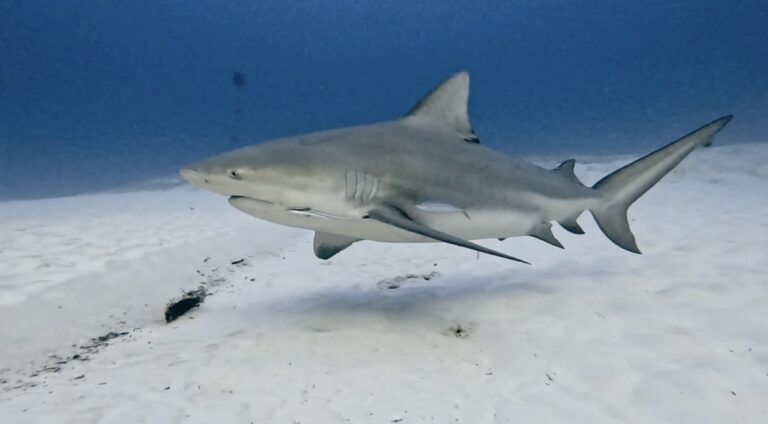
Traveling divers visiting Mexico—especially hotspots like Playa del Carmen, Cozumel, and the Riviera Maya—often search for “What are the top tips for diving in Mexico?” because the region offers warm Caribbean water, cenotes, drift dives, bull sharks in winter, and some of the easiest travel logistics for scuba lovers.
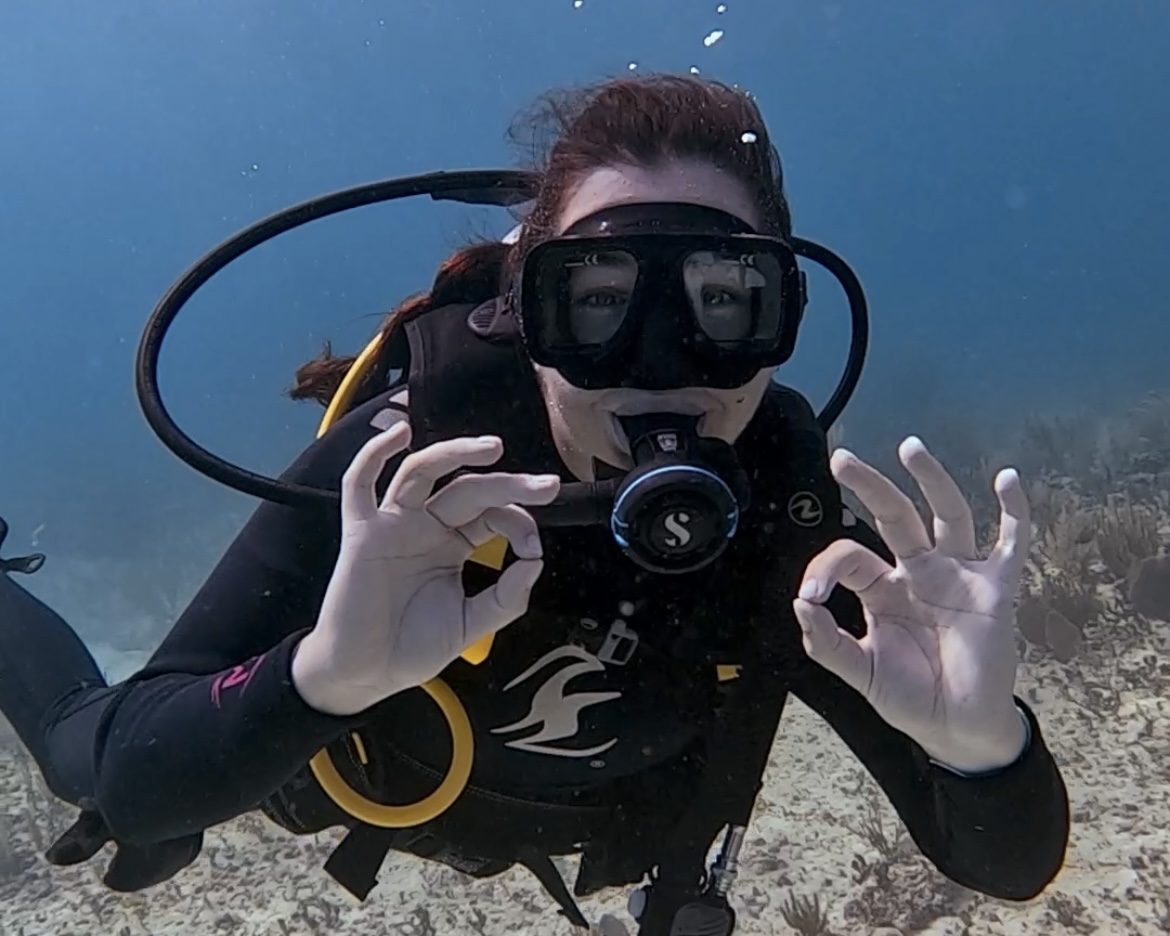
One of the most common questions is “What dive gear should I bring to Mexico?” and most divers pack their mask, fins, dive computer, and a 3mm wetsuit, while renting BCDs and regulators locally to lighten their luggage; however, if you prefer your own full setup, Mexico is extremely gear-friendly with plenty of storage on dive boats and in dive shops.
For traveling with gear, divers often ask “Can I fly with scuba equipment?”—yes, airlines allow it, but packing regs in carry-on and defog, knives, shears, or tools in checked bags avoids problems. Another important topic is transportation, and visitors frequently look up “How do divers get around in Playa del Carmen?” Since most dive shops, hotels, and ferry terminals are walkable, taxis are easy to access, and transfers to cenotes or Cozumel day trips are arranged by the dive center, making logistics simple and stress-free.
Safety is another major search topic, with travelers asking “Is it safe to dive in Mexico?” and the answer is yes—Mexico has well-established dive operations, certified instructors, strict safety protocols, calm conditions for beginners, and advanced sites for more experienced divers. When it comes to ocean conditions, divers ask “Is the water warm in Mexico?”—temperatures stay between 26–30°C (79–86°F) most of the year, dropping slightly in winter but still comfortable with a light wetsuit.
For cenotes, many visitors also wonder “Do I need special training to dive cenotes?” and while cavern dives are accessible for Open Water divers with good buoyancy, cave diving requires advanced certifications. Staying healthy and safe on land is also important: drink bottled water, use reef-safe sunscreen, secure valuables, and follow local guidance for taxis and transportation.
For money questions like “Do I need cash in Mexico?”—yes, small bills are useful for taxis, tips, and local food. Finally, always dive with reputable operators who maintain high safety standards, offer proper briefings, and respect marine life.
By preparing the right gear, understanding local transportation, staying aware of safety best practices, and choosing a professional dive center, traveling divers can enjoy Mexico’s reefs, cenotes, and world-class marine life with total confidence and ease.