Mexico is one of the most popular scuba diving destinations in the world, offering warm Caribbean waters, colorful coral reefs, dramatic drift dives, and the famous cenotes of the Riviera Maya. For travelers planning scuba diving in Mexico, a little preparation can make a huge difference. Knowing what gear to pack, how transportation works between dive locations, and what safety precautions to follow will help you enjoy a smoother and safer dive trip. Whether you’re visiting Playa del Carmen, Cozumel, Cancun, or Tulum, these travel tips will help you dive Mexico with confidence.
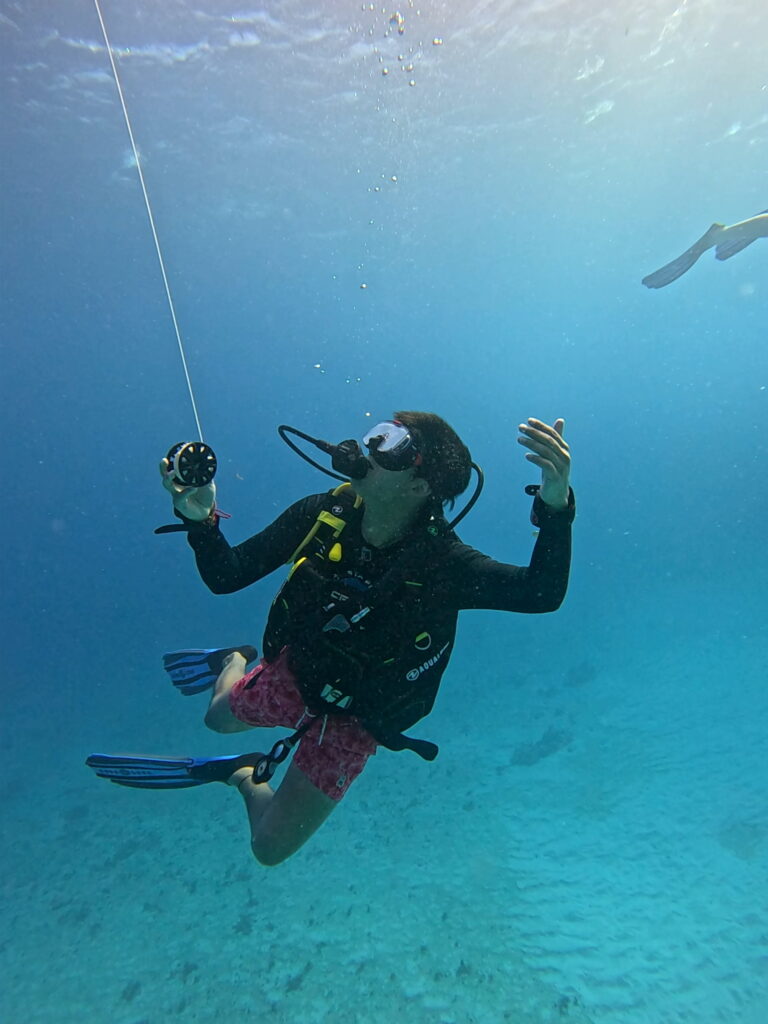
One of the most important tips for traveling divers in Mexico is packing the right equipment. While most dive shops provide quality rental gear, there are a few items that are worth bringing from home. A personal mask is one of the best investments for comfort and safety, since fit is critical for a good dive. A dive computer is also highly recommended, especially if you plan to do multiple dives per day or dive several days in a row. Reef-safe sunscreen is essential in Mexico, where marine protection rules are taken seriously in many areas. Many divers also choose to pack a rashguard or lightweight wetsuit for sun protection, comfort, and protection from occasional jellyfish. If you plan to do boat diving, bringing a surface marker buoy is a smart choice, and a small save-a-dive kit can prevent minor gear issues from becoming a full-day problem.
Water temperatures in Mexico vary depending on the season and the type of diving you are doing, so it is important to plan exposure protection carefully. Ocean diving in Playa del Carmen and Cozumel is typically warm year-round, but winter months can feel cooler, especially after repeated dives. Cenote diving near Tulum is different, as cenotes remain cooler throughout the year and dives are often longer and more relaxed, which can cause divers to feel cold faster. Even divers who normally do not get cold often prefer a thicker wetsuit for cenote dives, particularly when doing two or more cenote dives in one day. Being comfortable in the water helps improve buoyancy, breathing, and overall safety.
Protecting your dive gear while traveling is another key part of dive travel in Mexico. Airports, boats, and tropical humidity can be rough on equipment, so delicate items should be packed carefully. Regulators and dive computers are best kept in carry-on luggage, and masks should always be stored in a protective case. Once you arrive, rinsing equipment with fresh water after each day of diving will extend the life of your gear and help prevent salt buildup. Divers should also avoid leaving gear in direct sunlight, as UV exposure can quickly damage rubber and silicone components, especially in hot coastal environments.
Transportation is usually straightforward for scuba diving trips in Mexico, but divers should still plan ahead based on their itinerary. For travelers exploring cenotes or doing multiple locations, renting a car is often the most convenient option because it offers flexibility and easy access to remote dive sites. In Playa del Carmen and Cozumel, taxis are widely available, although prices can vary and it is best to confirm the fare before starting the ride. For longer travel between Cancun, Playa del Carmen, and Tulum, the ADO bus system is a popular option that is comfortable, affordable, and generally reliable. If you are planning a cenote day, it is also helpful to bring water, snacks, a towel, and dry clothes, since many cenote locations are far from stores and services.
Even in tourist areas, carrying cash is still important for traveling divers in Mexico. Many cenotes require cash for entrance fees, and marine park fees may also be paid separately depending on the location. Cash is also useful for tipping dive guides and boat crew, which is common practice in Mexico. Some smaller shops and taxis may not accept card payments, so having cash ready can prevent delays and make your diving days more relaxed.
When it comes to safety, one of the most important rules for scuba diving in Mexico is respecting no-fly times after diving. Many divers visit Mexico specifically to dive as much as possible, and doing multiple dives per day increases the need to follow conservative guidelines. Planning your final day as a non-diving day is a smart way to enjoy the beach, explore local attractions, or simply relax while staying safe. Hydration is another major factor, as Mexico’s heat and humidity can lead to dehydration quickly. Drinking water consistently, using electrolytes, and avoiding heavy alcohol between dive days can reduce fatigue and help lower the risk of dive-related health issues.
Divers should also respect local conditions, since currents, surge, and visibility can change daily. Cozumel is famous for drift diving and stronger currents, while Playa del Carmen can sometimes have waves and surge depending on weather. Cenote diving requires excellent buoyancy control, calm finning techniques, and careful awareness of surroundings. Some dive sites also include thermoclines, which can cause sudden temperature changes underwater. Listening carefully to dive briefings and being honest about your comfort level will always lead to a safer and more enjoyable experience.
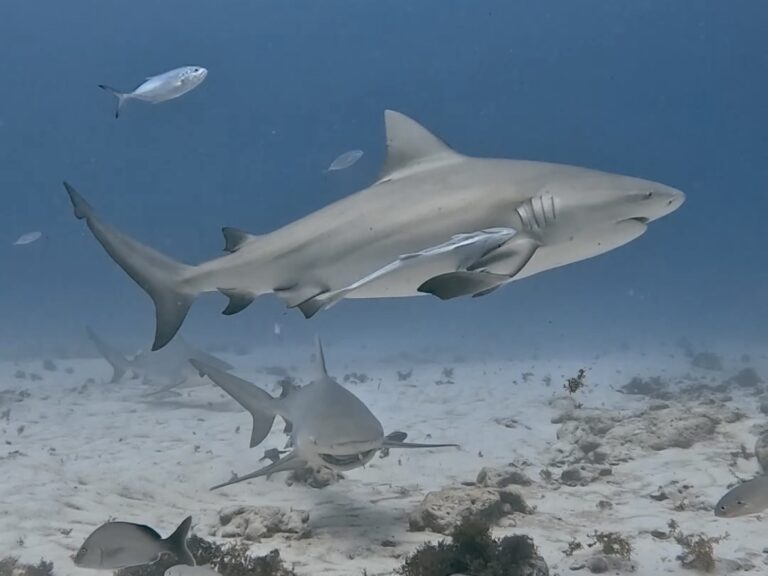
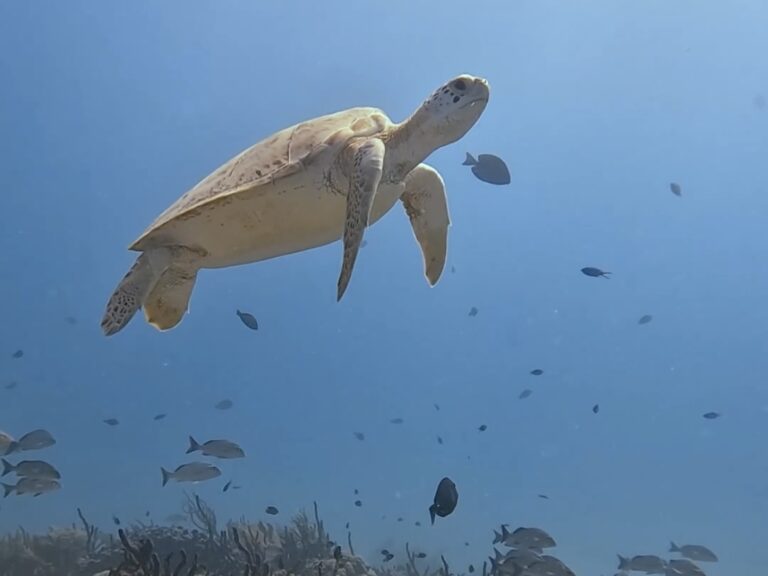
Dive insurance is strongly recommended for anyone planning scuba diving in Mexico. Even experienced divers can encounter unexpected problems, and hyperbaric chamber treatment and emergency evacuation can be extremely expensive without coverage. Having dive insurance adds peace of mind and ensures you can focus on enjoying your trip. Finally, divers should remember that Mexico’s reefs and underwater environments are fragile and deserve protection. Maintaining good buoyancy, avoiding contact with coral, using reef-safe sunscreen, and respecting marine life are essential habits for responsible diving. If you are participating in shark dives or special marine encounters, always follow the rules and allow trained professionals to manage the experience.
Mexico offers some of the most unforgettable diving in the world, and with the right planning, your trip can be easy, safe, and stress-free. By packing smart, understanding transportation, staying hydrated, and choosing a professional dive center, traveling divers in Mexico can focus on what matters most: exploring the incredible underwater world and creating unforgettable memories.