
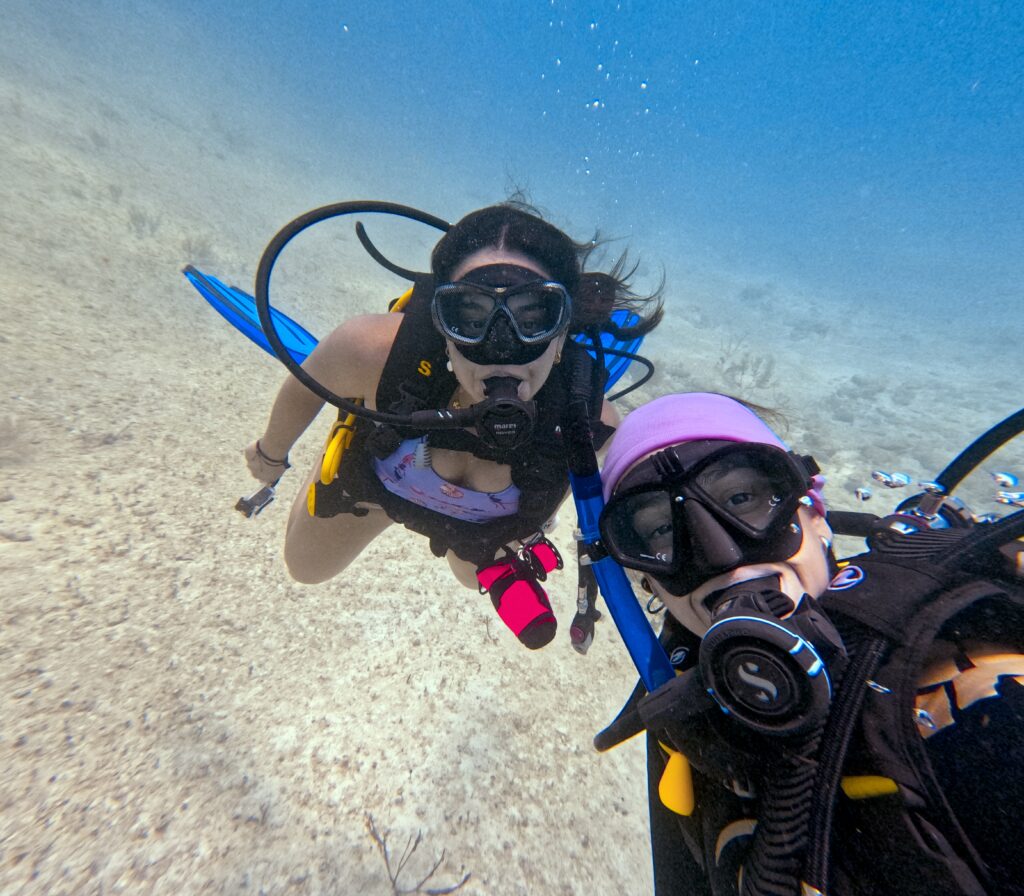
Scuba diving is not a race, a gym workout, or an extreme fitness test. But being reasonably active can make dive days easier, calmer, and more enjoyable.
Good fitness for scuba diving is not about looking athletic. It is about comfort in the water, steady breathing, easy movement, basic strength, mobility, hydration, and enough stamina for the conditions you choose.
This guide explains how divers, travelers, runners, cyclists, gym-goers, and casual vacation divers can stay active and prepare their body for better scuba diving.
Fast answer: The best fitness for scuba diving includes light cardio, swimming comfort, leg strength, core stability, mobility, calm breathing, hydration, and enough rest before dive days. You do not need to be an athlete, but you should be healthy enough for the dive conditions and honest about your limits.
Do You Need to Be Fit to Scuba Dive?
You do not need to be a professional athlete to scuba dive. Many recreational dives are slow, relaxed, and low-impact.
But scuba diving still requires basic physical ability. You may need to carry gear, climb a boat ladder, swim at the surface, manage current, control buoyancy, and stay calm if conditions change.
The more comfortable and active you are, the easier those parts usually feel.
What Kind of Fitness Helps Scuba Divers?
The most useful fitness for scuba diving is practical. Divers benefit from cardio, leg endurance, core control, mobility, breathing awareness, and comfort in the water.
You do not need a complicated training plan. The goal is to feel comfortable during the dive day, not exhausted before it starts.
- Cardio: helps with stamina, boat days, surface swimming, and recovery.
- Leg strength: helps with finning, boat ladders, and shore entries when needed.
- Core stability: helps with trim, body position, and buoyancy control.
- Mobility: helps with gear setup, finning comfort, and movement.
- Breathing awareness: helps with relaxation, buoyancy, and air consumption.
Cardio for Scuba Diving
Good cardio can make diving feel easier, especially on days with current, long boat rides, heat, stairs, or multiple dives.
Useful cardio activities include:
- Swimming
- Walking
- Cycling
- Running
- Rowing
- Light hiking
You do not need intense training. Regular moderate activity is often enough to make dive days feel more comfortable.
Swimming Comfort Matters
Scuba diving is not the same as swimming laps, but being comfortable in the water matters a lot.
If you are not comfortable floating, moving, breathing calmly, or being in open water, your dive can feel more stressful. Swimming practice can help you become more relaxed before a dive trip.
For beginners, water comfort is often more important than gym fitness.
Strength Training for Divers
Scuba diving does not require bodybuilding strength, but basic strength helps with gear handling, balance, boat exits, carrying equipment, and general comfort.
Useful areas to train include:
- Legs for finning and ladders
- Core for trim and body control
- Back and shoulders for carrying equipment
- Grip strength for handling gear carefully
Keep it practical. You are training to move comfortably, not to prove anything underwater.
Mobility and Flexibility
Mobility helps divers move more comfortably before, during, and after the dive.
Simple stretching and mobility work can help with:
- Putting on fins
- Reaching valves or clips
- Moving comfortably in a wetsuit
- Reducing stiffness after boat rides
- Maintaining better body position underwater
Yoga, light stretching, mobility drills, and regular movement can all help divers feel better during multi-day dive trips.
Breathing Awareness and Air Consumption
Many divers want to improve air consumption. Fitness can help, but air consumption is not only about cardio.
Air use is also affected by buoyancy, weighting, trim, stress, depth, current, workload, body position, and how relaxed you are underwater.
If you want to use less air, focus on slow movement, better buoyancy, correct weighting, calm breathing, and staying relaxed. Our guide on how to improve air consumption while diving explains this in more detail.
Buoyancy Is a Fitness Skill Too
Good buoyancy is not only a scuba skill. It is also body awareness.
Divers with good control use less effort, kick less, stay calmer, protect the reef, and often enjoy longer, more relaxed dives.
If buoyancy, trim, or weighting feels difficult, the PADI Peak Performance Buoyancy course can help you work on better control underwater.
Fitness Tips for Runners Who Scuba Dive
Runners often have good cardio, but scuba diving needs slow movement and relaxed breathing instead of effort and speed.
If you are a runner, focus on:
- Slowing down underwater
- Relaxing your breathing
- Adding mobility for hips, ankles, and shoulders
- Avoiding overtraining right before dive days
- Staying hydrated before boat trips
Good running fitness can help, but underwater efficiency comes from calm control, not intensity.
Fitness Tips for Cyclists Who Scuba Dive
Cyclists often have strong legs and good endurance, which can help with finning and long dive days.
However, cycling can also make hips, hamstrings, and lower back feel tight. Mobility work can be useful before a dive trip.
If you are a cyclist, focus on:
- Hip and hamstring mobility
- Calf and ankle flexibility
- Core stability
- Relaxed finning instead of powerful kicking
- Hydration and recovery before dive days
Fitness Tips for Gym-Goers and Strength Athletes
Strength is useful for carrying equipment and moving confidently, but underwater diving rewards efficiency more than power.
If you train in the gym, focus on:
- Core control
- Shoulder mobility
- Leg endurance, not only heavy strength
- Breathing control
- Moving slowly and calmly underwater
Being strong is helpful, but using too much force underwater can waste air and disturb the reef.
Hydration, Sleep, and Alcohol
Fitness is not only training. Dive days are easier when you are rested, hydrated, and clear-headed.
Before diving, try to:
- Sleep well the night before.
- Drink enough water.
- Avoid heavy alcohol before dive days.
- Eat something appropriate before the trip.
- Tell the dive team if you feel unwell.
Heat, sun, travel, and dehydration can make diving feel harder than expected, especially in Mexico.
Training Before a Dive Vacation
If you are planning a dive trip, you do not need to start extreme training. A simple routine can help.
In the weeks before your trip, consider:
- Walking, swimming, cycling, or light cardio several times per week
- Gentle mobility or stretching
- Core and leg exercises
- Practicing calm breathing
- Getting comfortable in the water if you are nervous
The goal is to arrive comfortable, not exhausted.
Do Not Overtrain Before Diving
Hard workouts right before a dive day can leave you sore, tired, dehydrated, or less comfortable in the water.
If you have a big dive day planned, avoid intense training the night before. Choose rest, hydration, and light movement instead.
A relaxed diver usually has a better dive than an exhausted diver.
Fitness and Different Types of Diving
Different dives require different levels of comfort and fitness.
| Dive Type | Fitness / Comfort Needed |
|---|---|
| Beginner scuba experience | Basic water comfort, ability to listen and follow instructor directions |
| Local reef diving | Comfortable swimming, calm breathing, basic stamina, good communication |
| Cenote diving | Good buoyancy, control, calm movement, and comfort in a different environment |
| Cozumel drift diving | Comfort in current, good buoyancy, and ability to follow the guide’s plan |
| Wreck or deeper dives | More experience, better control, and comfort with depth and conditions |
| Seasonal bull shark diving | Experienced certified diver, comfort in the ocean, and strict safety requirements |
When Fitness Is Not Enough
Being fit does not automatically make someone ready for every dive. A strong athlete can still be a new diver, a rusty diver, or an anxious diver underwater.
Scuba safety depends on training, recent experience, buoyancy, judgment, comfort, and medical fitness, not only physical strength.
If you are certified but have not dived in a long time, a PADI ReActivate refresher course may be a safer first step before more demanding dives.
Medical Fitness and Diving
If you have heart concerns, breathing issues, recent surgery, medication questions, panic disorder, serious anxiety, or another condition that could affect diving safety, get medical clearance before diving.
A dive center can help recommend a suitable dive plan, but only a qualified medical professional can advise you about medical fitness to dive.
Simple Weekly Fitness Plan for Divers
This is not a medical or athletic training plan, but a simple example of the type of activity that can help recreational divers stay comfortable.
| Focus | Simple Example |
|---|---|
| Cardio | Walking, swimming, cycling, or light jogging |
| Leg endurance | Bodyweight squats, stairs, light cycling, or swimming |
| Core stability | Planks, dead bugs, bird dogs, or controlled balance exercises |
| Mobility | Gentle stretching for hips, shoulders, ankles, and back |
| Breathing awareness | Slow relaxed breathing practice, especially before dive days |
| Recovery | Sleep, hydration, and avoiding heavy alcohol before diving |
Best First Step Based on Your Situation
| Your Situation | Best First Step |
|---|---|
| Not certified and want to try scuba | Discover Scuba Diving |
| Certified and current | Local reef diving can be a good first dive day |
| Certified but rusty | PADI ReActivate / refresher may be safer first |
| Comfortable but want better control | Peak Performance Buoyancy |
| Using air too fast | Work on buoyancy, weighting, breathing, trim, and relaxed movement |
| Medical or fitness concerns | Medical clearance before diving |
Ready for a Better Dive Day?
Tell us your certification level, last dive date, approximate number of logged dives, comfort level, and what kind of diving you want to do.
We will recommend the best first step based on your experience, fitness, comfort, and the daily conditions.
Frequently Asked Questions About Fitness for Scuba Diving
Do I need to be fit to scuba dive?
You do not need to be an athlete, but you should have enough basic fitness, water comfort, and health for the dive conditions. Some dives are easier than others, so the plan should match your level.
Is scuba diving good exercise?
Scuba diving involves movement, swimming, core control, finning, and body awareness, but it should not be treated as a full workout program. It can be part of an active lifestyle.
What fitness helps with scuba diving?
Helpful fitness includes cardio, swimming comfort, leg endurance, core stability, mobility, breathing awareness, and enough stamina for the dive conditions.
Is swimming good training for scuba diving?
Yes. Swimming can improve water comfort, breathing control, stamina, and confidence. You do not need to be a competitive swimmer, but comfort in the water helps a lot.
Can runners and cyclists scuba dive easily?
Runners and cyclists often have good cardio, which can help. They should also focus on slow movement, relaxed breathing, mobility, hydration, and avoiding overtraining right before dive days.
Does fitness improve air consumption?
Fitness can help, but air consumption also depends on buoyancy, weighting, trim, stress, depth, current, workload, and relaxed movement. Better technique often matters more than raw fitness.
Should I work out before scuba diving?
Light movement is usually fine, but avoid intense workouts right before a dive day. Hard training can leave you tired, sore, or dehydrated. Rest and hydration are usually better before diving.
What if I am out of shape but want to dive?
Start with an easier dive plan and be honest about your comfort and fitness. If you have medical concerns or are unsure whether diving is safe for you, get medical clearance before diving.
Can a fit person still need a refresher?
Yes. Fitness does not replace scuba skills. If you have not dived in a long time, forgot basic procedures, or feel nervous, a refresher may be the safer first step.
Final Thoughts
Staying active as a scuba diver helps you feel more comfortable, confident, and prepared underwater. You do not need extreme fitness, but basic cardio, mobility, strength, breathing awareness, and water comfort can make dive days much easier.
The best dive plan always matches your real level, recent experience, health, fitness, and comfort. If you are not sure where to start, tell us your situation and we will recommend the safest option.