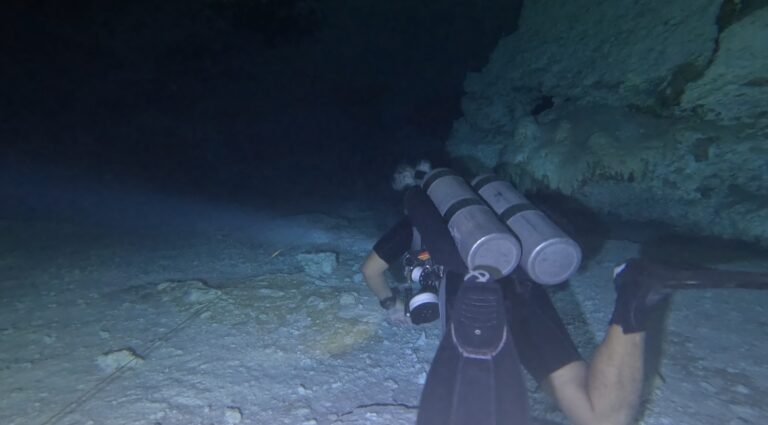
Night diving is one of the most exciting and memorable experiences in scuba diving, but many divers naturally ask the question: is night diving safe? The short answer is yes, night diving is safe when done properly, with the right training, equipment, and professional guidance. In destinations like Playa del Carmen and throughout the Riviera Maya, night diving is a popular activity that offers a completely different perspective of the underwater world.

The biggest difference between day diving and night diving is visibility. Instead of relying on sunlight, divers use underwater torches to navigate and observe marine life. This may sound intimidating at first, but with proper preparation, it quickly becomes comfortable and even magical. Certified divers are briefed thoroughly before entering the water, including navigation techniques, light signals, buddy procedures, and emergency protocols. Good communication and staying close to your dive buddy are key safety components.
One reason night diving in Playa del Carmen is considered safe is the warm Caribbean water and generally mild conditions. Professional dive centers carefully select sites that are suitable for night dives, often choosing shallow reefs with minimal current and easy navigation. Dive guides know the sites well and plan the dive conservatively, keeping depth and bottom time within safe limits. For added security, divers carry a primary dive light and a backup light in case of equipment failure.
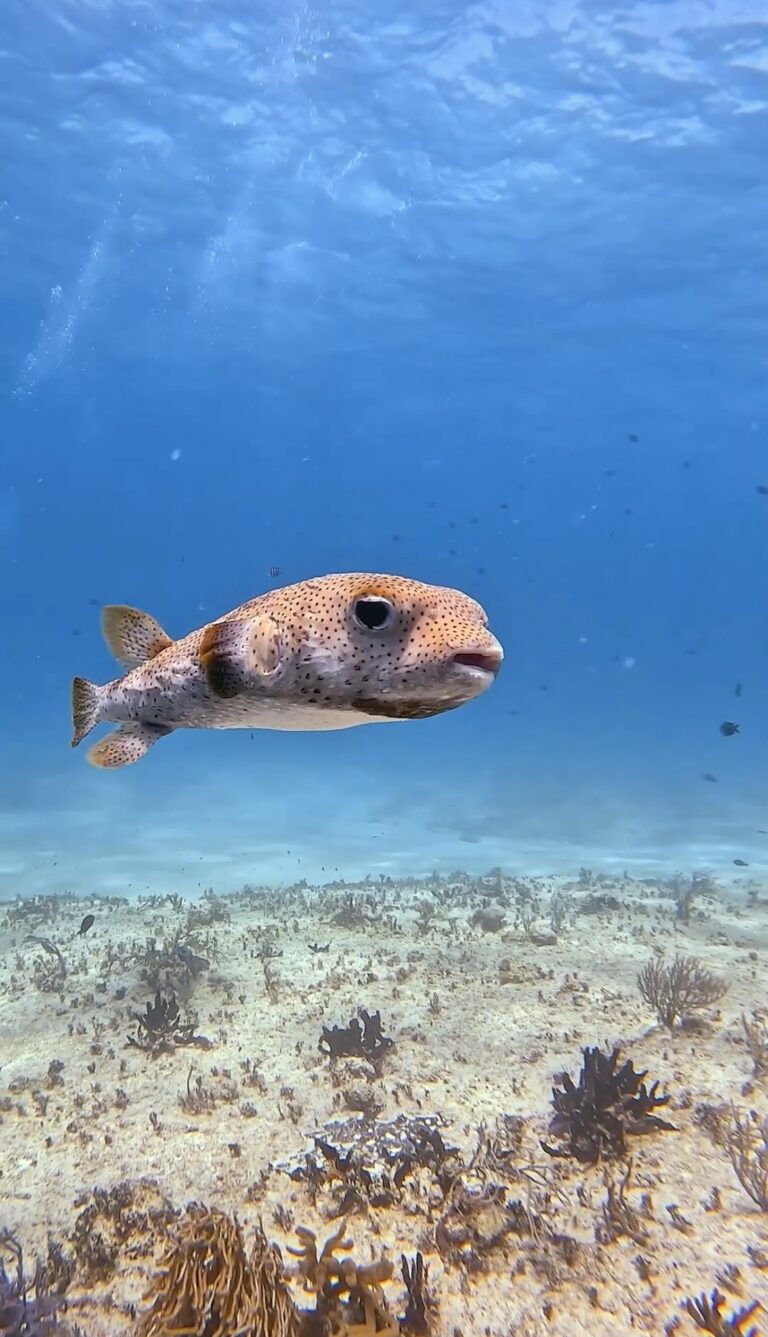
A common concern is marine life. Some people worry that predators are more active at night, but most reef animals are not interested in divers. In fact, night diving allows you to see a completely different side of the reef. Nocturnal creatures such as lobsters, crabs, octopus, and sleeping parrotfish become visible. Many fish rest in protected spots, and bioluminescent plankton may sparkle in the water when lights are turned off. Rather than being more dangerous, the ocean often feels calmer and more peaceful at night.
Proper training also plays an important role in safety. While an Open Water certification is usually enough to participate in a guided night dive, taking a Night Diver specialty course can increase confidence and skill. This training covers navigation in low light, light management, and techniques to stay oriented in the dark. Divers who are comfortable with buoyancy and basic skills typically adapt quickly to night conditions.
Another safety factor is mental readiness. Night diving can feel unfamiliar at first because your field of vision is narrower. However, once divers realize that their light creates a focused and clear view, anxiety often disappears. Staying relaxed, moving slowly, and following the guide ensures a smooth and enjoyable dive.
In the end, night diving is safe when done responsibly with a certified guide and proper equipment. It offers a unique and unforgettable experience that feels completely different from daytime diving. In places like the Riviera Maya, where warm water and vibrant reefs provide ideal conditions, night diving can become one of the most magical moments of your scuba diving journey.