
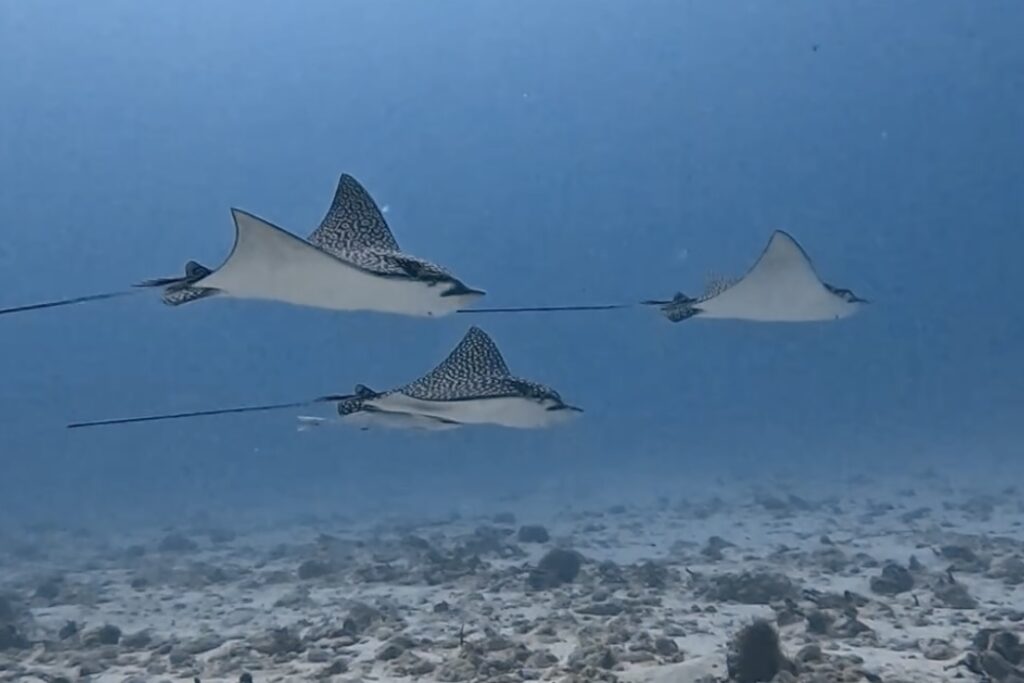
Underwater marine wildlife is more than something beautiful to see on a dive. Marine animals, coral reefs, seagrass beds, plankton, sponges, fish, turtles, rays, sharks, and countless small organisms all help keep ocean ecosystems alive and balanced.
For divers, marine life is often the reason we fall in love with the ocean. But the importance of underwater wildlife goes far beyond tourism. Healthy marine ecosystems support food chains, coastal communities, reef health, biodiversity, climate balance, and the future of the ocean itself.
This guide explains why marine wildlife matters, how different species support the underwater world, and what divers can do to protect the animals and ecosystems they enjoy.
Fast answer: Underwater marine wildlife matters because marine animals and organisms support food webs, reef health, oxygen production, coastal protection, tourism, local economies, and biodiversity. When marine ecosystems lose species, the whole system can become weaker and less balanced.
What Is Underwater Marine Wildlife?
Underwater marine wildlife includes the animals and organisms that live in the ocean, reefs, seagrass areas, mangroves, sandy bottoms, and other marine environments.
This can include large animals such as turtles, rays, sharks, dolphins, and whales, but it also includes smaller life that many people overlook: reef fish, crabs, lobsters, eels, plankton, coral polyps, sponges, sea fans, mollusks, and tiny organisms that form the base of the food chain.
In places like Playa del Carmen and the Riviera Maya, divers may notice turtles, rays, moray eels, reef fish, nurse sharks, lobsters, crabs, barracuda, and seasonal marine life. For a local species guide, see our common aquatic species of Playa del Carmen.
Marine Wildlife Supports Ocean Food Chains
Every marine species has a role. Some animals are predators, some are prey, and others clean, filter, recycle nutrients, or create habitat for other life.
Small organisms like plankton support larger animals. Reef fish help transfer energy through the ecosystem. Predators help control populations. Scavengers and decomposers help recycle nutrients. Coral and sponges provide structure and shelter.
When one part of the system becomes weak, it can affect many others. This is why protecting marine wildlife is not only about saving one animal. It is about protecting the balance of the whole ecosystem.
Marine Biodiversity Keeps Ecosystems Stronger
Biodiversity means variety of life. A reef with many different species is usually more resilient than an ecosystem with only a few species.
When marine biodiversity is strong, ecosystems can respond better to stress, storms, disease, temperature changes, and human impact. When biodiversity is reduced, the system becomes more fragile.
This is one reason protected areas, responsible fishing, reef conservation, pollution reduction, and respectful diving all matter. They help give marine ecosystems a better chance to recover and stay healthy.
Coral Reefs Depend on Marine Life
Coral reefs are not just rocks or decorations underwater. They are living ecosystems where many species depend on each other.
Fish, algae, coral, sponges, invertebrates, turtles, rays, and tiny organisms all contribute to the reef environment. Some animals keep algae under control. Others clean, filter, graze, hide, hunt, or help move nutrients through the system.
When marine wildlife is healthy, reefs usually have a better chance to stay balanced. When important species disappear, reefs can become more stressed.
To learn more about the local reef ecosystem, visit our guide to the coral reefs of Playa del Carmen.
Marine Wildlife Helps Support Coastal Communities
Healthy marine ecosystems support many coastal communities. They help provide food, jobs, tourism, education, and cultural value.
In dive destinations, marine life is also part of the local economy. Divers and snorkelers travel to see reefs, fish, turtles, rays, sharks, and other underwater life. When the ocean is healthy, local businesses, guides, boat crews, instructors, restaurants, hotels, and families can benefit.
This is why conservation and tourism should not be treated as opposites. Good tourism depends on protecting the natural environment that people come to experience.
Marine Wildlife and Climate Balance
The ocean plays an important role in the Earth’s climate system. Marine plants, plankton, seagrass, algae, mangroves, and other organisms help move carbon and oxygen through the environment.
Not every diver needs to be a scientist, but it is important to understand that marine ecosystems are connected to the larger planet. The health of the ocean affects climate, weather, food systems, coastal protection, and biodiversity.
Protecting marine wildlife is one part of protecting that larger system.
Why Small Marine Animals Matter Too
Many people notice turtles, rays, sharks, or big schools of fish first. But small animals are just as important.
Crabs, shrimp, worms, mollusks, plankton, juvenile fish, coral polyps, and tiny reef organisms all play a role in the ecosystem. Some clean, some feed larger animals, some filter water, and some help create or maintain habitat.
A healthy reef is not only about the big animals. It is about the entire web of life.
What Happens When Marine Wildlife Declines?
When marine wildlife declines, ecosystems can lose balance. Too much algae, fewer reef fish, damaged coral, reduced biodiversity, and weaker food chains can all affect the underwater environment.
Marine wildlife can be affected by many pressures, including pollution, overfishing, habitat damage, careless tourism, climate stress, poor waste management, and direct contact from humans.
Divers cannot solve every problem alone, but we can reduce our own impact and support better behavior in the places we visit.
How Divers Can Help Protect Marine Wildlife
Divers have a special responsibility because we enter the environment directly. A respectful diver can observe marine life without disturbing it.
- Do not touch, chase, feed, or harass marine animals.
- Keep good buoyancy and stay off the reef.
- Do not block turtles, rays, sharks, or other animals from moving freely.
- Secure dangling gear so it does not hit coral or marine life.
- Never take shells, coral, rocks, bones, or souvenirs from the ocean.
- Use reef-safe sun protection and physical cover like rashguards.
- Reduce single-use plastic during your trip.
- Follow guide briefings and local rules.
For a practical diver checklist, read our guide to eco-friendly dive practices.
Respectful Wildlife Encounters
The best marine-life encounters happen when animals behave naturally. Divers should never force an interaction.
If you see a turtle, ray, eel, shark, or other animal, stay calm, keep distance, control your buoyancy, and let the animal decide where it wants to go.
Chasing an animal may ruin the encounter for everyone and can stress the animal. Good divers observe, enjoy, and leave space.
Marine Wildlife Is Not a Show
It is easy to think of marine life as entertainment because divers travel to see it. But underwater animals are not performers. They are part of a living ecosystem.
This mindset matters. When divers understand that marine life has its own role and behavior, they usually make better choices underwater.
A good photo or video is never worth damaging the reef or stressing an animal.
Why Education Matters
Many harmful behaviors underwater come from ignorance, not bad intentions. Divers may touch coral because they do not know it is alive. Snorkelers may stand on reef because they do not understand the damage. Travelers may collect shells because they think it is harmless.
Education helps people make better choices. When divers understand how marine ecosystems work, they are more likely to protect them.
This is why dive briefings, responsible instructors, eco-friendly practices, and clear information matter.
Marine Wildlife and Playa del Carmen
In Playa del Carmen, marine wildlife is part of the local diving experience. The reefs can include turtles, rays, moray eels, nurse sharks, reef fish, lobsters, crabs, barracuda, tarpon, and many smaller species depending on conditions and season.
Marine life is never guaranteed, but the possibility of seeing animals in their natural environment is one of the reasons diving here is so special.
Good behavior from divers helps keep those encounters respectful and sustainable.
Quick Guide: Why Marine Wildlife Matters
| Reason | Why It Matters |
|---|---|
| Biodiversity | Different species support a stronger and more balanced ecosystem |
| Food chains | Marine animals depend on each other as predators, prey, cleaners, and grazers |
| Reef health | Fish, coral, algae, sponges, and invertebrates all help shape the reef environment |
| Coastal communities | Healthy oceans support tourism, jobs, food systems, and local economies |
| Climate balance | Marine ecosystems help move carbon, oxygen, and nutrients through the planet |
| Education | Marine life helps people understand why ocean protection matters |
What Can You Do as a Visitor?
You do not need to be a scientist to help protect marine wildlife. Simple travel and diving choices can reduce your impact.
- Choose responsible ocean activities.
- Listen to your guide or instructor.
- Use reef-safe sun protection.
- Do not touch or chase animals.
- Do not buy souvenirs made from protected marine life.
- Reduce plastic waste.
- Respect protected areas and local rules.
- Share better behavior with your dive buddy or group.
Small actions become powerful when many travelers make them.
Frequently Asked Questions About Underwater Marine Wildlife
What is underwater marine wildlife?
Underwater marine wildlife includes the animals and organisms that live in the ocean, reefs, seagrass areas, mangroves, sandy bottoms, and other marine environments. This includes fish, turtles, rays, sharks, coral, sponges, plankton, crabs, mollusks, and many smaller organisms.
Why is marine wildlife important?
Marine wildlife is important because it supports food chains, reef health, biodiversity, coastal communities, tourism, climate balance, and the overall stability of ocean ecosystems.
Why is marine biodiversity important?
Marine biodiversity helps ecosystems stay balanced and more resilient. When many species are present, the ecosystem is usually better able to respond to stress, change, and natural pressure.
How do marine animals help coral reefs?
Marine animals help coral reefs by grazing algae, recycling nutrients, providing food for other species, cleaning, filtering water, and using reef structures as habitat. Many species have small but important roles in reef balance.
What marine life can divers see in Playa del Carmen?
Marine life is never guaranteed, but divers in Playa del Carmen may see turtles, rays, moray eels, reef fish, nurse sharks, lobsters, crabs, barracuda, tarpon, and seasonal species depending on conditions and timing.
How can divers protect marine wildlife?
Divers can protect marine wildlife by keeping good buoyancy, not touching coral or animals, not chasing or feeding marine life, securing dangling gear, using reef-safe sun protection, and following local rules and guide briefings.
Can I touch marine animals if they come close?
No. Even if an animal comes close, divers should not touch it. Stay calm, keep a respectful distance, and let the animal move naturally.
Why should divers not collect shells or coral?
Shells, coral, rocks, and other natural objects can be part of the ecosystem. Removing them can disturb habitat and may also violate local rules in protected areas.
Final Thoughts
Underwater marine wildlife is one of the most important parts of the ocean. It supports ecosystems, protects balance, inspires travelers, and connects people to the natural world.
For divers, the responsibility is simple: enjoy marine life without disturbing it. Watch, learn, respect, and leave the underwater world better protected for the next generation.