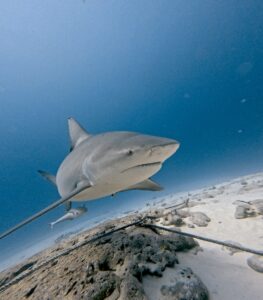
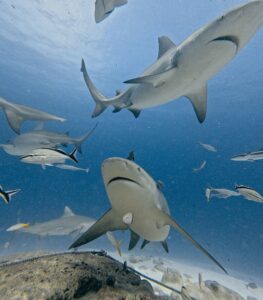
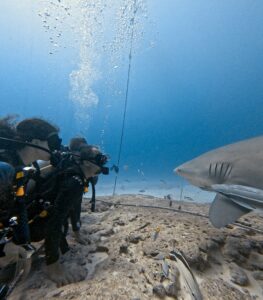
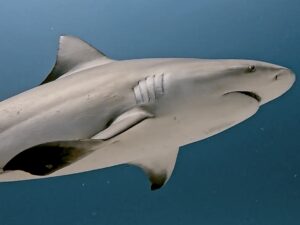
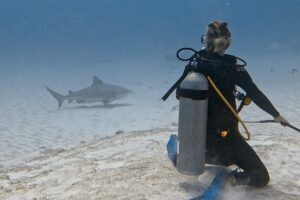
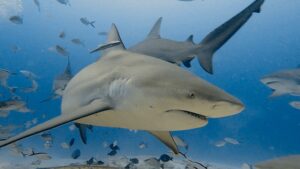
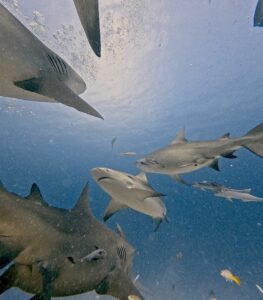
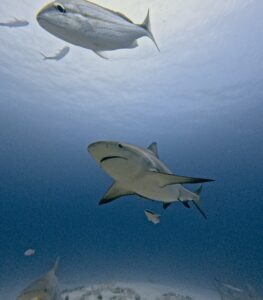
Bull Shark Observation Dive
Want to book this dive? Send us your preferred date and details. We will confirm availability and the best option for your level.
Bull Shark Observation Dive in Playa del Carmen
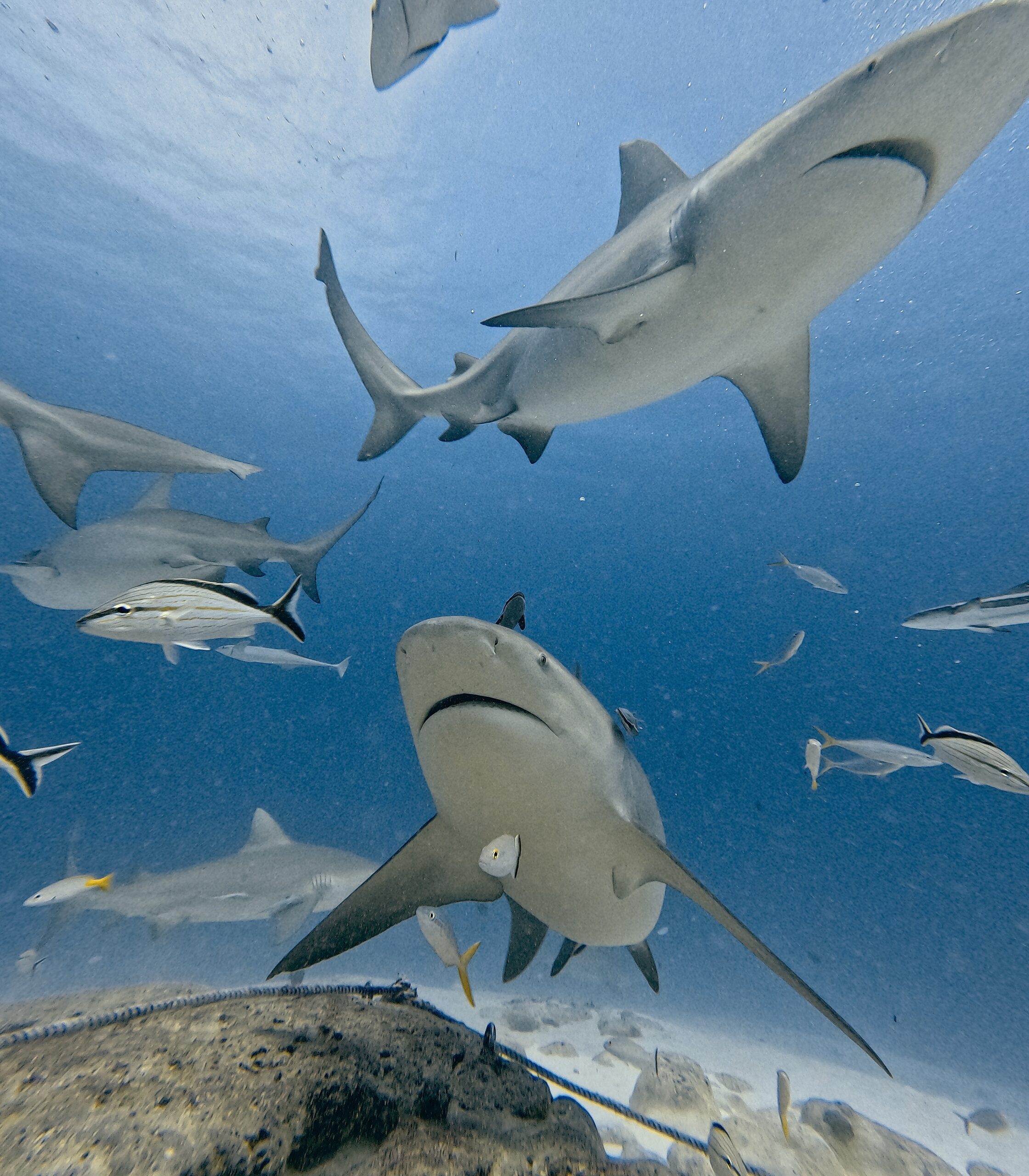
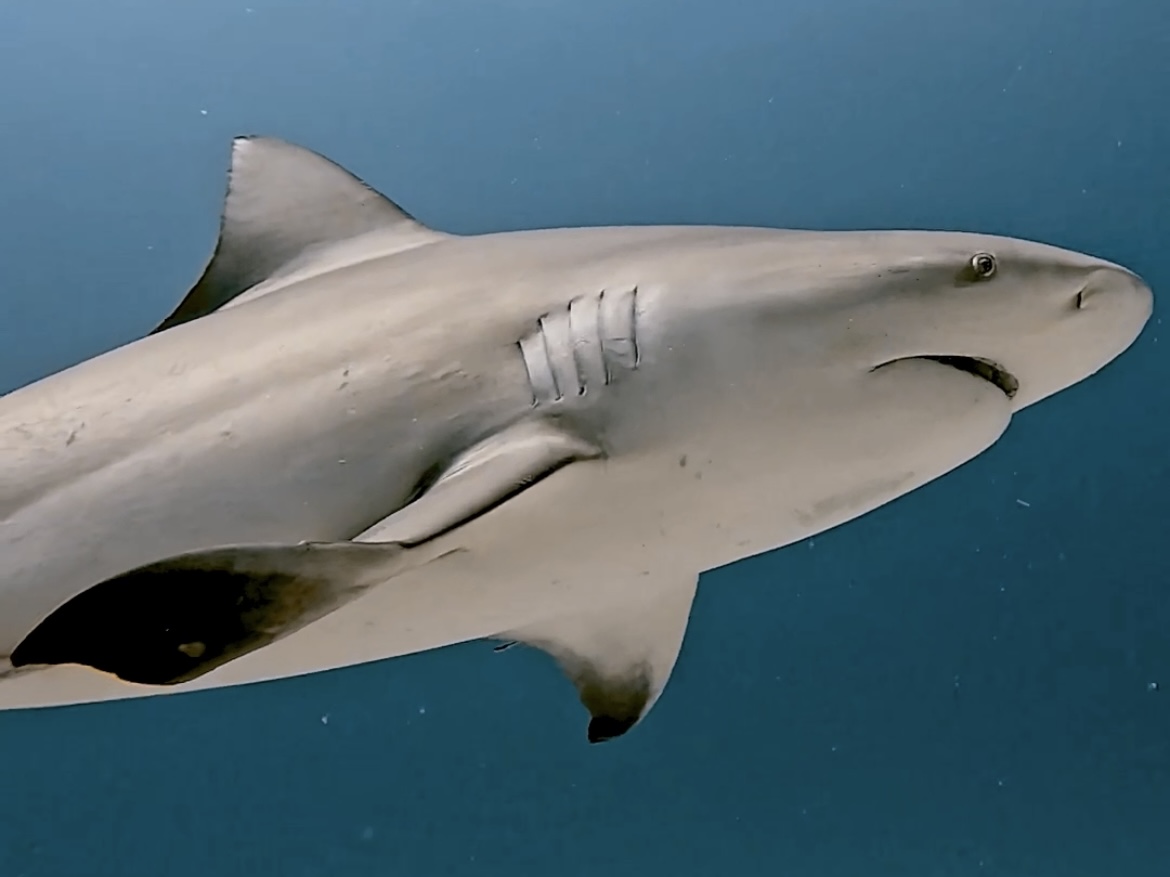
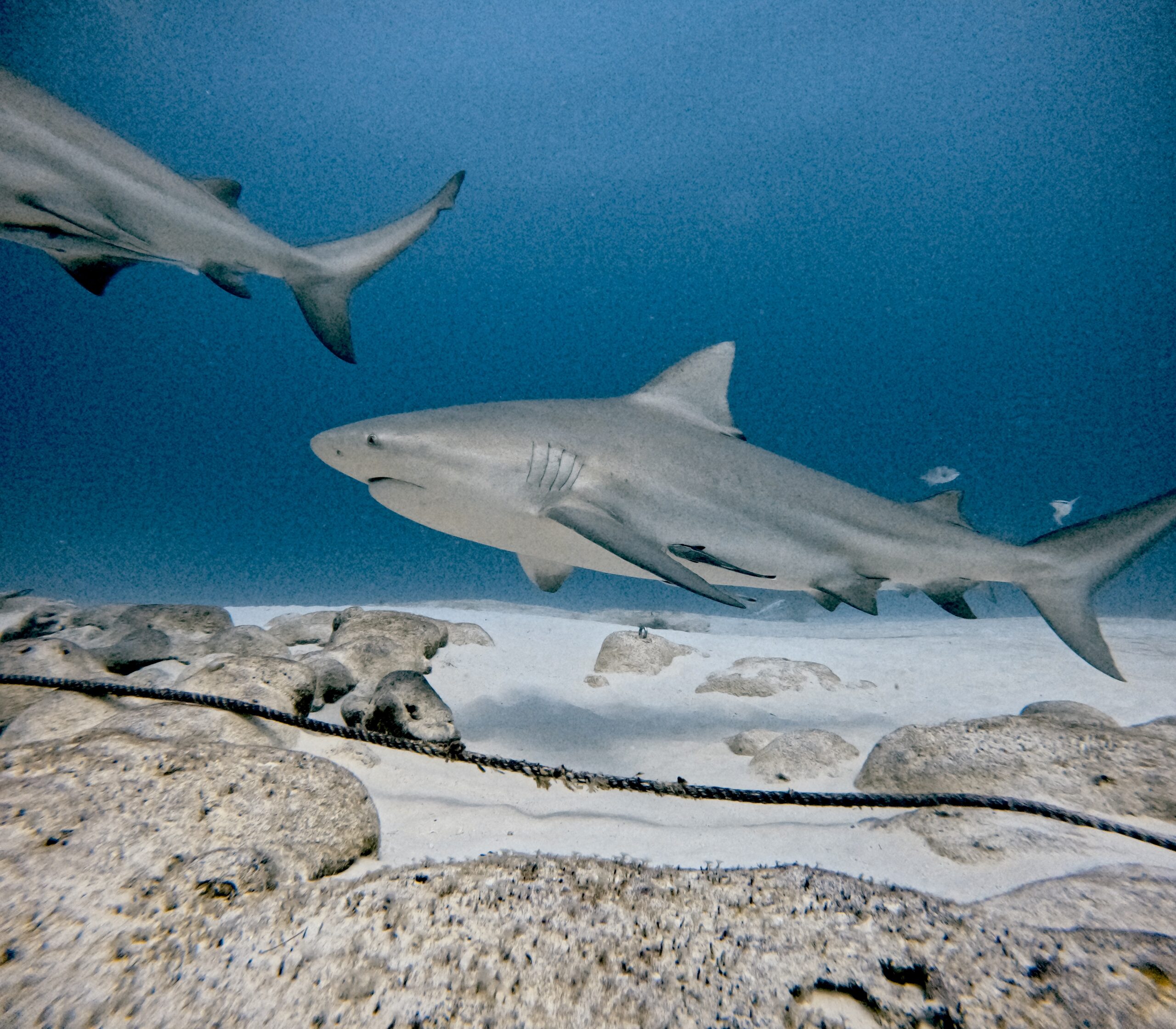
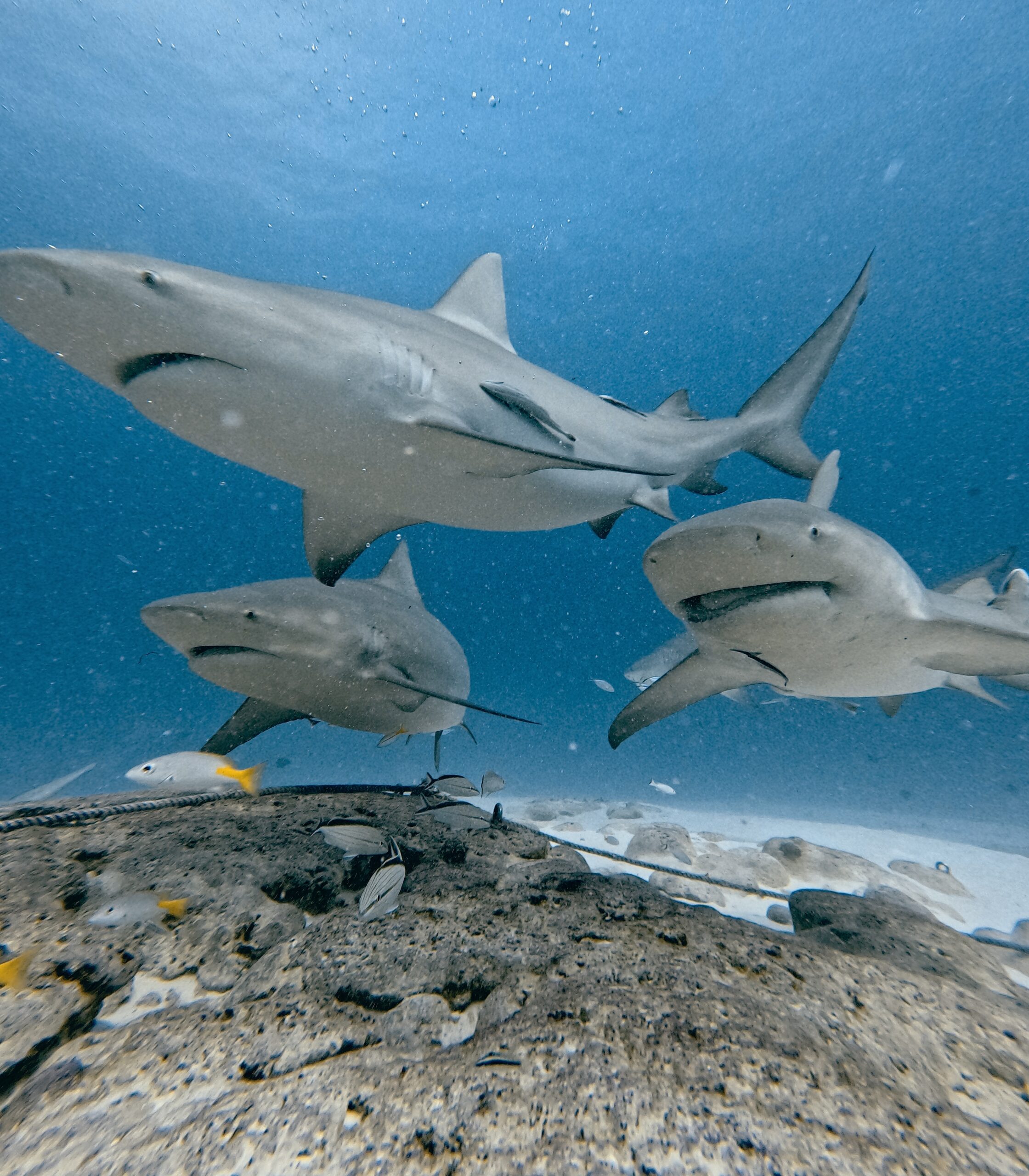
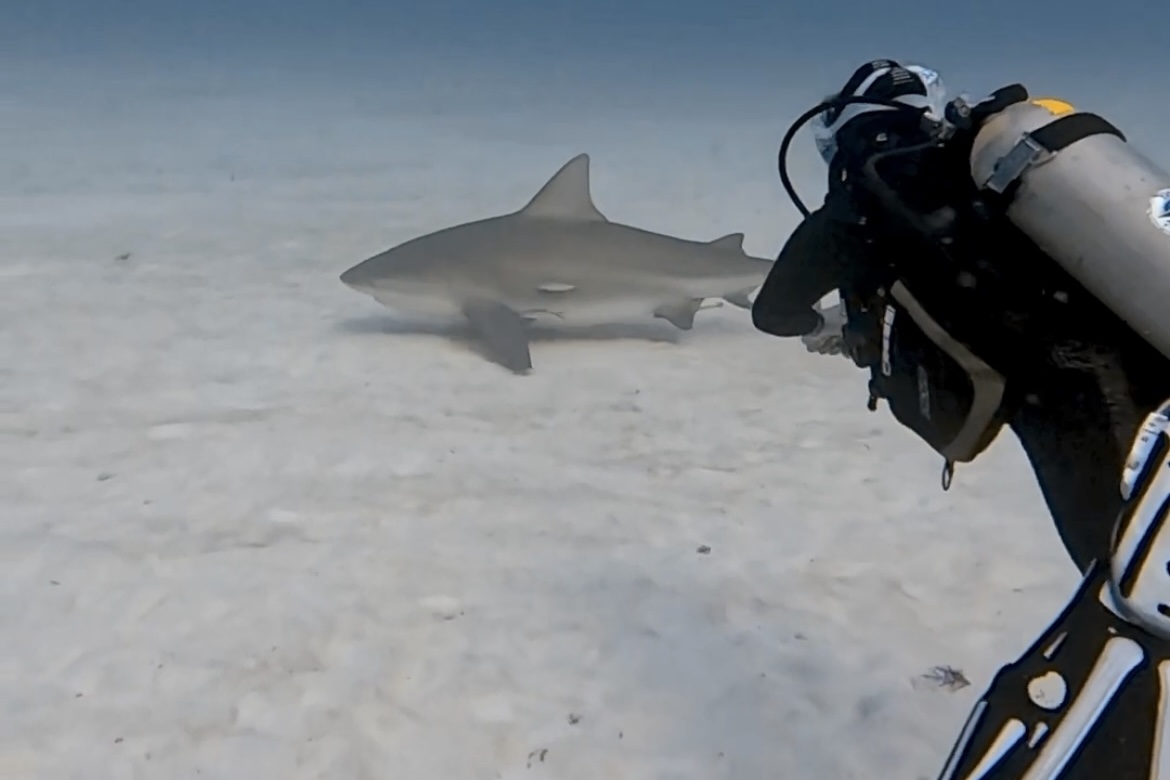
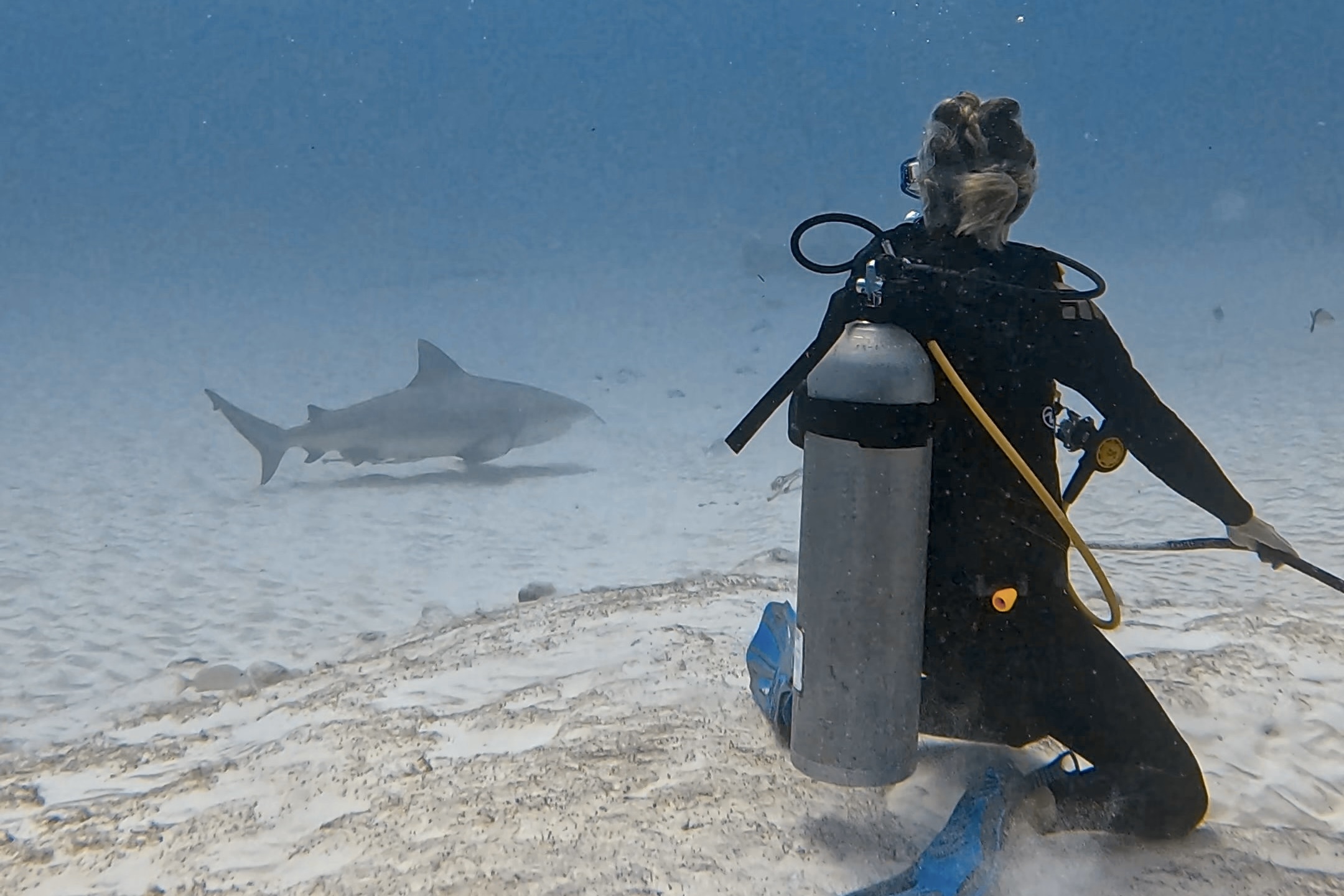
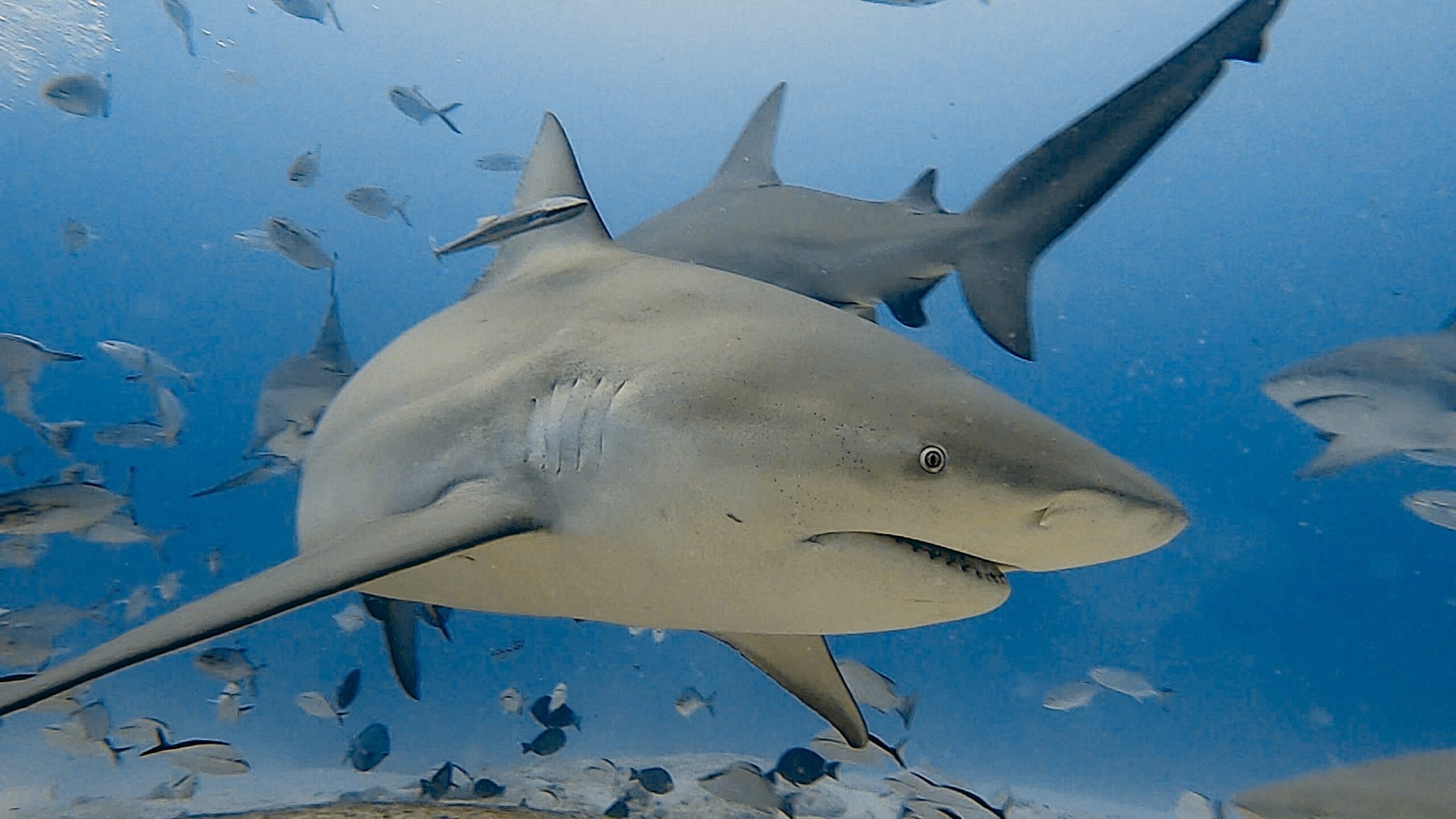
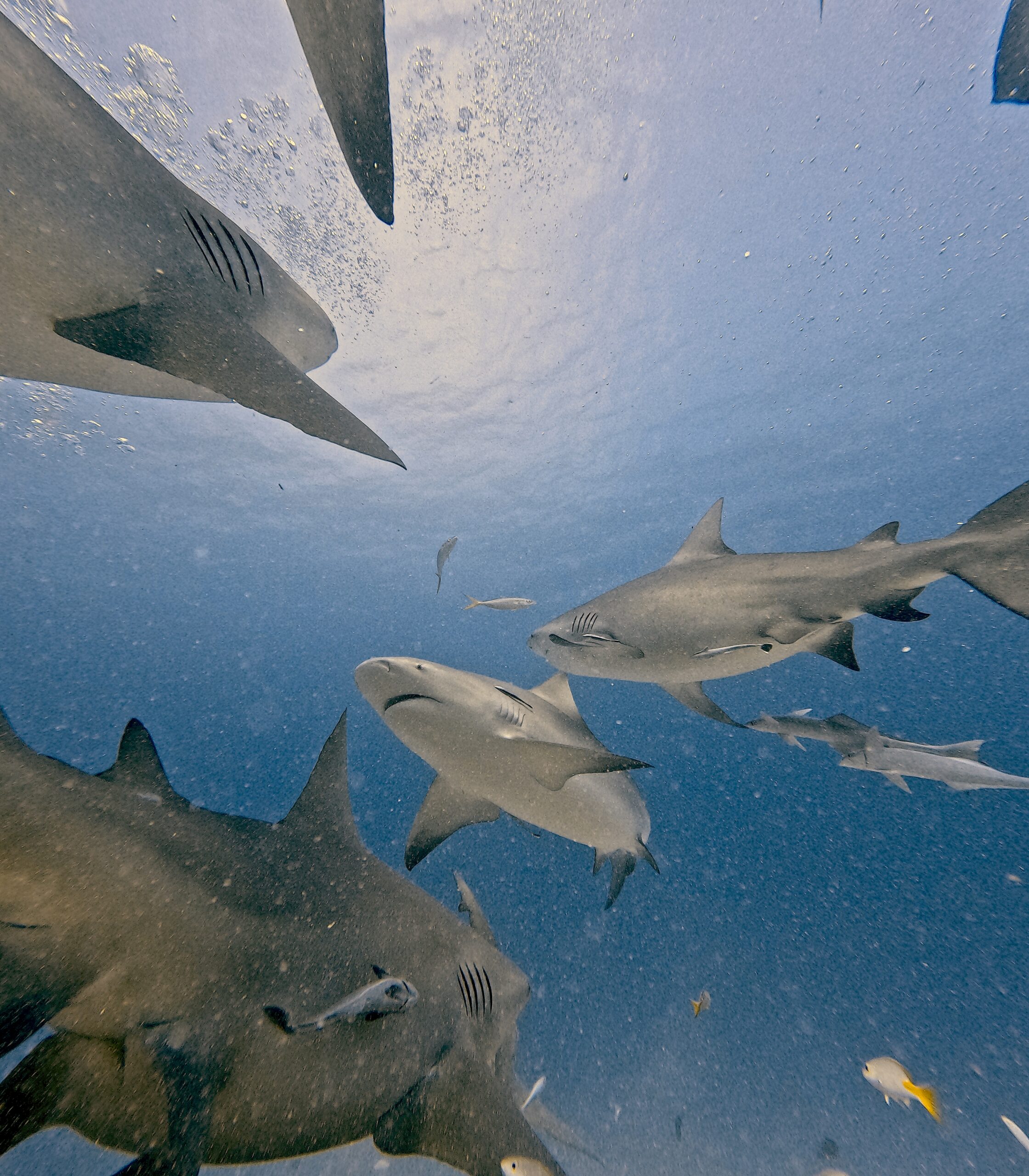
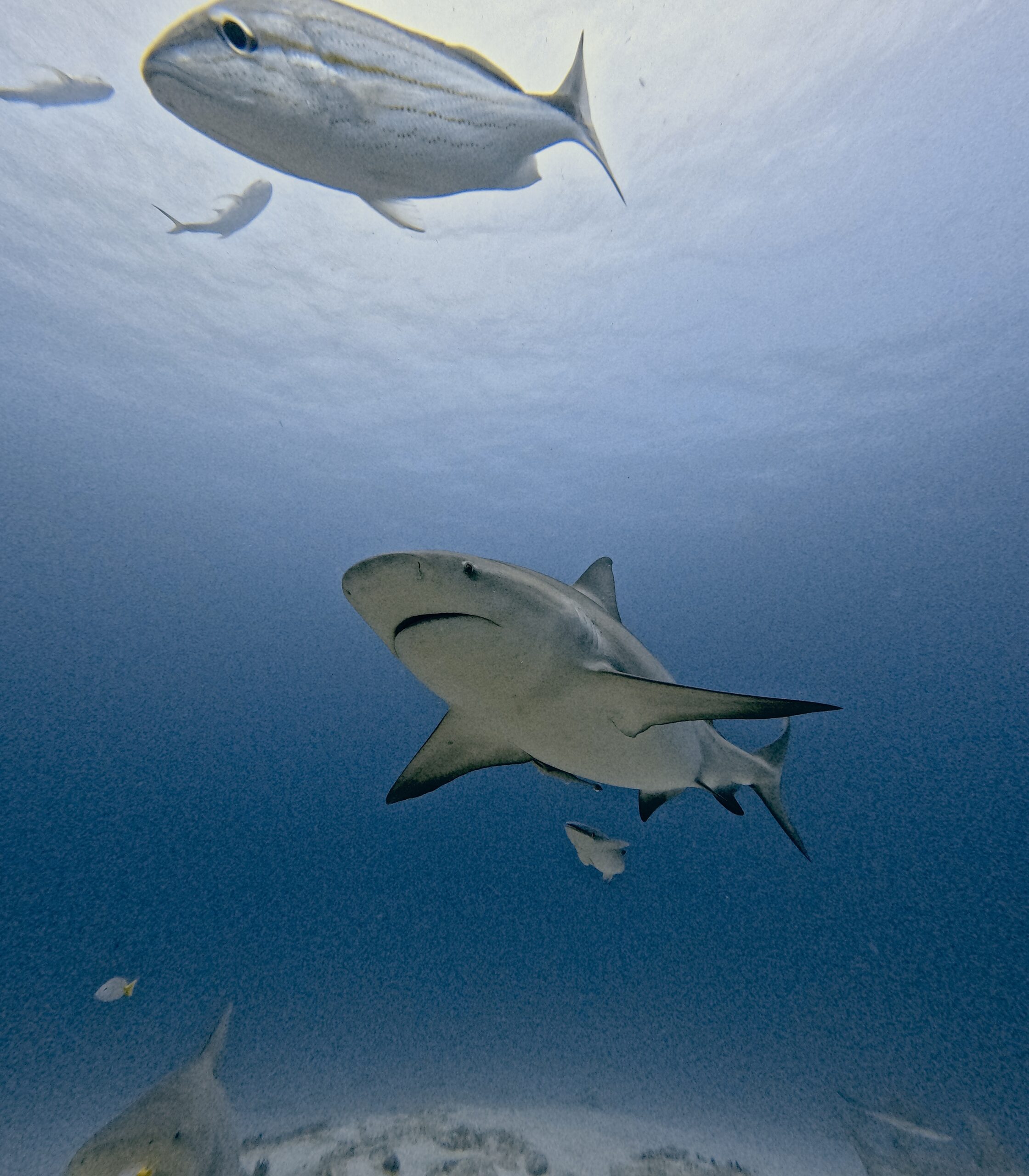
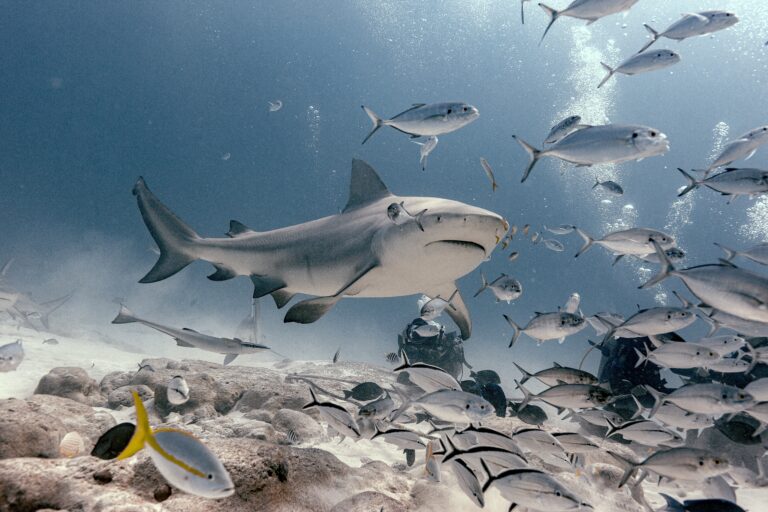
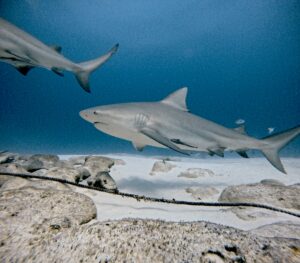
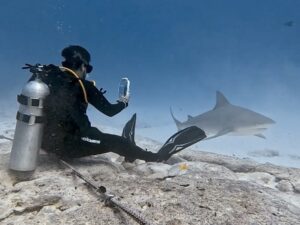
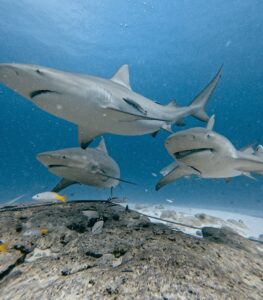
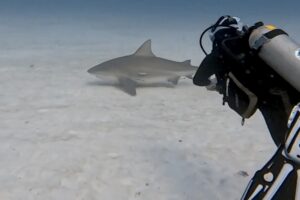
The Bull Shark Observation Dive in Playa del Carmen is a non-feeding, 2-tank shark diving trip for certified divers who want to see bull sharks without a feeding setup.
This experience includes 1 bull shark observation dive and 1 local reef dive. It is the best bull shark option if you want a powerful shark encounter, but prefer a more natural-style dive with no baiting or feeding.
Best for: certified divers who want a non-feeding bull shark experience plus a second reef dive. If you want the closest and most intense shark encounter, compare it with our Bull Shark Feeding Dive.
Quick Facts
- Dive type: 2-tank trip
- First dive: bull shark observation dive, no feeding
- Second dive: local reef dive in Playa del Carmen
- Price: 3000 MXN (≈$162 USD) per person
- Gear: brand new rental equipment included
- Season: usually November to March
- Schedule: exact departure times and operating days are confirmed when booking
- Shark dive depth: usually around 24 m / 80 ft
- Certification: Open Water or higher
- Experience: 25 logged dives minimum
- Check dive: required if you have fewer than 25 logged dives
- Important: bull sharks are wild animals, so sightings cannot be guaranteed
What’s Included
- 1 Bull Shark Observation Dive
- 1 Local Reef Dive in Playa del Carmen
- Professional dive guide and shark dive briefing
- Brand new rental equipment
- All taxes and marina fees
- Insurance
- Water and cookies on the boat
- Locker at the dive center
- Shower and towels at the dive center
What to Expect
The Bull Shark Observation Dive is a 2-tank trip. Departure times and operating days are confirmed each season and may vary based on boat schedule, port status, weather, visibility, current, shark activity, and operational conditions.
- Check-in: meet at Xico Dive Center, complete paperwork, and get fitted for equipment.
- Briefing: your guide explains the shark dive plan, safety rules, positioning, and what to do underwater.
- First dive: descend to the bull shark site and observe the sharks with no baiting or feeding.
- Surface interval: rest on the boat with water and cookies provided.
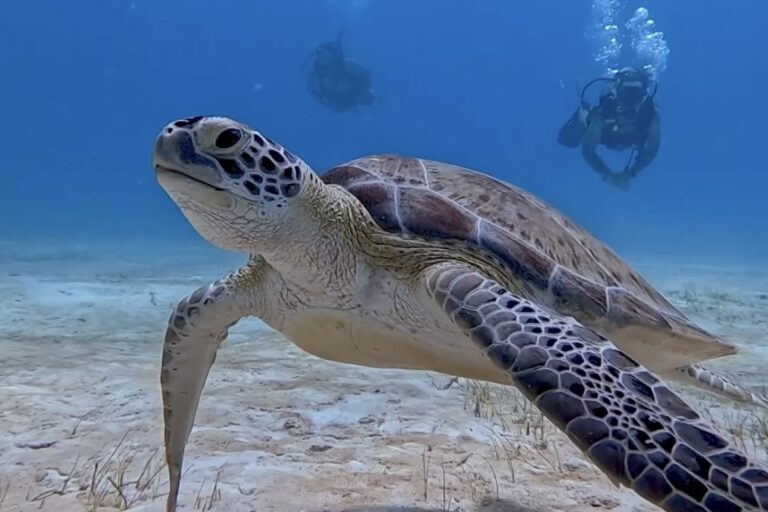
- Second dive: enjoy a local reef dive with coral, tropical fish, rays, turtles, and other Caribbean marine life depending on conditions.
- Return: head back to Playa del Carmen and return to the dive center.
Because this is a wildlife experience, the dive plan always depends on the conditions of the day and the guide’s safety judgment.
Who This Dive Is For
The Bull Shark Observation Dive is for certified divers who want a shark encounter without the feeding setup. It is still a serious dive and requires calm behavior, good buoyancy, and comfort following instructions at depth.
This dive is a good fit if:
- You are already a certified diver.
- You have at least 25 logged dives.
- You want to observe bull sharks without feeding.
- You like the idea of a 2-tank trip with a reef dive included.
- You are comfortable with deeper recreational dives.
- You can stay calm and controlled around large marine life.
This dive is not for non-certified divers, nervous beginners, divers with poor buoyancy, or divers who have not been in the water for a long time without doing a refresher or check dive first.
Bull Shark Observation Dive Requirements
Safety comes first. At Xico Dive Center, the minimum requirements for this dive are:
- Open Water certification or higher
- 25 logged dives minimum
- Good buoyancy control
- Recent diving experience
- Comfort at depth
- Ability to stay in position and follow guide instructions
If you have fewer than 25 logged dives, a check dive is required before going to the bull shark site. The check dive helps the guide confirm your buoyancy, comfort level, air control, and ability to follow the shark dive plan.
If you are certified but rusty, we may recommend reef diving in Playa del Carmen or the PADI ReActivate Refresher Course before the shark dive.
Why Choose the Observation Dive?
The observation dive is the best option if you want to see bull sharks without a feeding setup. You still get the excitement of diving with bull sharks, but the experience is focused on observing them in their natural environment.
Another advantage is the second tank. After the shark dive, you continue with a local reef dive, which gives you more total dive time and a more complete Playa del Carmen diving day.
If your goal is the closest and most intense shark encounter, the Bull Shark Feeding Dive may be a better fit. If you want the non-feeding option with a reef dive included, the Observation Dive is the right choice.
Is Bull Shark Observation Safe?
Bull shark observation dives can be safe when they are done with qualified divers, professional guides, suitable conditions, strict procedures, and serious respect for the animals.
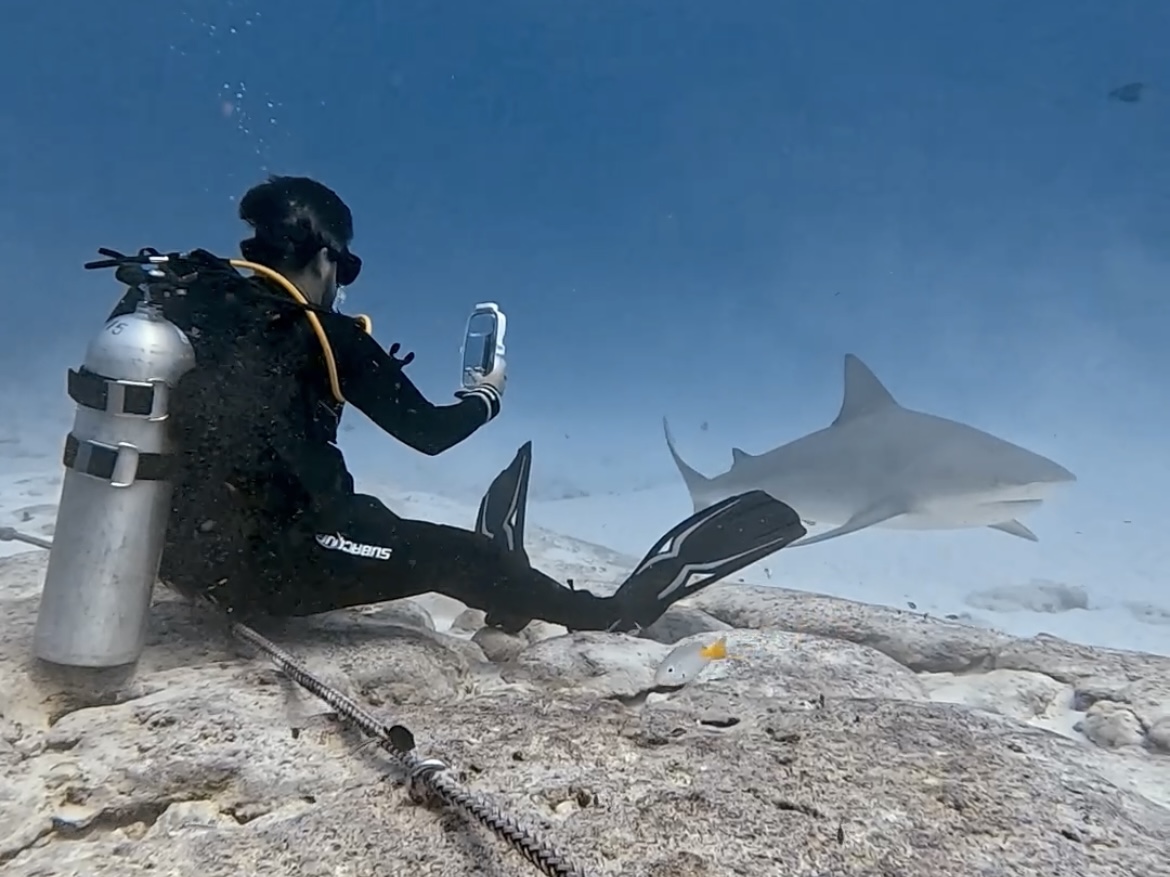
This is not a casual reef dive. Divers must listen carefully to the briefing, stay close to the group, keep good buoyancy, avoid sudden movements, and never chase, touch, or block the sharks.
For the full safety explanation, read our guide: Is Diving with Bull Sharks Safe?
Can Bull Shark Sightings Be Guaranteed?
No. Bull sharks are wild animals, and sightings cannot be guaranteed.
During the season, the chance of seeing bull sharks can be good, but every dive depends on shark movement, weather, visibility, current, port status, and local conditions. We always give honest information based on recent shark activity.
How to Book
To request availability, send us your preferred date, certification level, number of logged dives, and last dive date.
If you qualify, we will confirm available dates, meeting time, and the best option for your experience level. If you are not ready yet, we will recommend the safest next step, such as a check dive, local reef dive, or refresher.
You can also compare both shark options on our main Bull Shark Diving Playa del Carmen page.
Frequently Asked Questions About the Bull Shark Observation Dive
What should I bring for the Bull Shark Observation Dive?
Please bring a swimsuit, dry clothes for after the dives, and any personal items you may need.
If you want to bring a camera, make sure you are comfortable using it without losing buoyancy, position, or focus on the guide’s instructions.
Where is the meeting point?
We meet at Xico Dive Center, located on Flamingos Street between 40th Street North and 42nd Street North, in the Zazil-Ha neighborhood of Playa del Carmen.
Please arrive on time so we can complete check-in, paperwork, equipment fitting, and the dive briefing before heading to the boat.
What time does the Bull Shark Observation Dive start?
Departure times and operating days are confirmed each season and can change depending on boat schedule, port status, weather, shark activity, and operational availability.
When you contact us, we will confirm the available dates, meeting time, and best option for your certification level and experience.
What certification do I need for the Bull Shark Observation Dive?
You need Open Water certification or higher and at least 25 logged dives. This is a deeper shark dive, so every diver must be calm, controlled, and able to follow guide instructions at depth.
What if I have fewer than 25 logged dives?
If you have fewer than 25 logged dives, a check dive is required before going to the bull shark site. This lets the guide confirm your buoyancy, air control, comfort level, and ability to stay in position during the dive.
The check dive rule is not about selling another dive. It is about safety and making sure the shark dive is the right fit for you.
When is bull shark observation season in Playa del Carmen?
Bull shark season in Playa del Carmen is usually from November to March. In some years sightings may continue into April, but availability depends on shark presence, weather, visibility, current, port status, and local conditions.
For the full season overview, visit our Bull Shark Diving Playa del Carmen page.
How deep is the Bull Shark Observation Dive?
The bull shark dive usually reaches around 24 m / 80 ft. This is why comfort at depth, good buoyancy, calm breathing, and recent dive experience are important.
Is the Bull Shark Observation Dive a feeding dive?
No. The Bull Shark Observation Dive is a non-feeding shark dive. There is no baiting or feeding during this experience.
If you want the closest and most intense shark encounter, see our Bull Shark Feeding Dive.
What is included in the 2-tank Bull Shark Observation Dive?
The trip includes 1 bull shark observation dive and 1 local reef dive in Playa del Carmen. Rental gear, taxes, marina fees, insurance, water, cookies, locker, showers, and towels are included.
Is bull shark observation safe?
Bull shark observation dives can be safe when they are done with qualified divers, professional guides, suitable conditions, strict procedures, and serious respect for the animals.
This dive is not risk-free and should not be treated casually. For a deeper explanation, read Is Diving with Bull Sharks Safe?
Can I do the Bull Shark Observation Dive if I have not dived in a while?
If it has been a long time since your last dive, we recommend a local reef dive or the PADI ReActivate Refresher Course first.
The observation dive requires calm buoyancy, comfort at depth, and the ability to follow instructions without stress.
Can beginners or Discover Scuba Diving guests join?
No. Bull shark observation is not for non-certified divers or Discover Scuba Diving participants.
If you are not certified yet, start with the PADI Open Water Diver Course and build experience first. Bull shark diving can be a future goal once you have the right certification and comfort level.
Is the observation dive better than the feeding dive?
It depends on what kind of shark experience you want. The observation dive is the non-feeding option and includes 2 tanks: 1 bull shark observation dive and 1 reef dive.
The Bull Shark Feeding Dive is the closest and most intense 1-tank shark encounter. You can compare both options on our Bull Shark Diving page.
Are bull shark sightings guaranteed?
No. Bull sharks are wild animals, and sightings cannot be guaranteed. During the season, the chances can be good, but every dive depends on shark movement, weather, visibility, current, port status, and local conditions.
Can the dive be canceled because of conditions?
Yes. Bull shark dives depend on weather, port decisions, visibility, current, shark activity, and guide judgment. If conditions are not suitable, the dive may be changed, postponed, or canceled for safety.
What is the cancellation policy?
You can cancel or modify your reservation up to 24 hours before the scheduled activity or course start time with no cancellation fee.
If you cancel or modify less than 24 hours before the scheduled start time, or if you do not show up, the prepaid deposit is non-refundable.
If Xico Dive Center cancels the activity or course because of weather, port closure, unsafe conditions, or operational reasons, we will first try to reschedule. If rescheduling is not possible, no cancellation fee will apply.
For medical cancellations, no cancellation fee will apply only if a valid medical certificate is provided within 24 hours of the scheduled start time.
For courses or activities that include PADI, SDI, TDI, or other digital training materials, the deposit is non-refundable once the eLearning or digital materials have been activated or issued. These materials remain valid and can still be used by the student.
More Ways to Dive With Xico
Diving in Angelita and Cenote Carwash
Discover the mystical underwater caves of Cenote Angelita and Cenote Carwash! Perfect for certified divers […]
View Details
Diving in Cenote Chikin-Ha
Discover the mystical underwater caves of Cenote Chikin Ha! Perfect for certified divers seeking an […]
View Details
Diving in Cozumel from Playa del Carmen
Diving in Cozumel from Playa del Carmen Our Cozumel Direct Tour from Playa del Carmen […]
View Details
Diving in Cenote El Pit and Cenote Dos Ojos
!!!!!! Attention: As of 03.02.2026, Cenote El Pit is closed until further notice for environmental […]
View Details