

Stay within recreational cavern limits
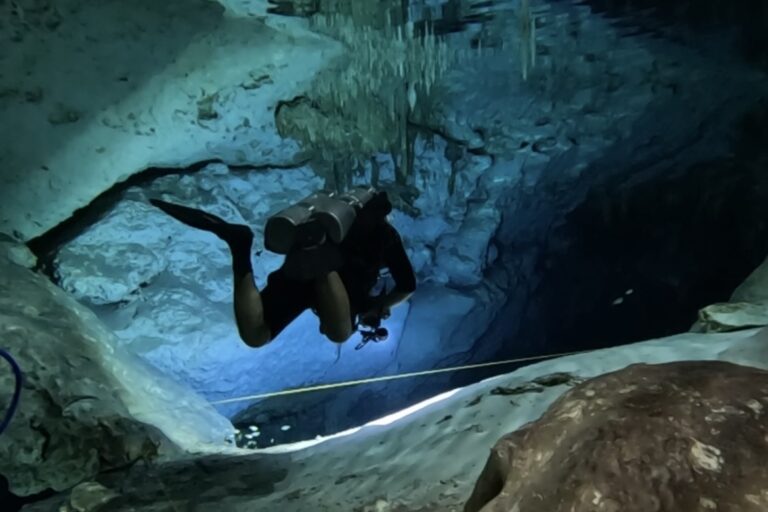
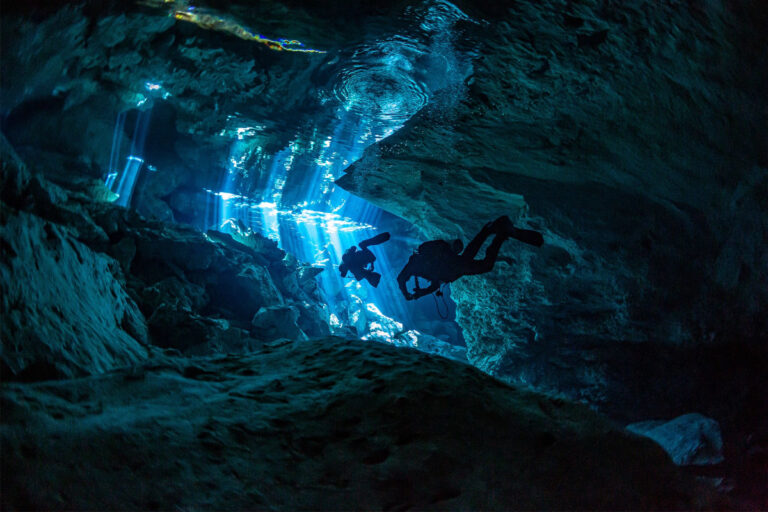
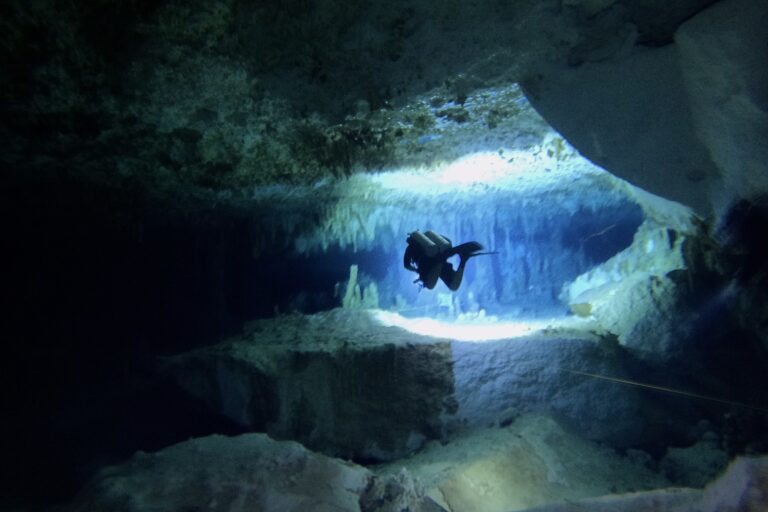
Xico’s recreational cenote trips remain in the cavern environment and follow the established guideline. Full cave penetration is a different discipline requiring dedicated technical cave training.
From spacious first-cenote cavern routes to deeper advanced dives and highly decorated precision-focused combinations, Xico helps you choose the right cenote day for your certification, recent experience, buoyancy and comfort level.
You do not need to know every cenote before contacting us. Start with the kind of cavern diving that fits your current experience, then compare the individual routes below.
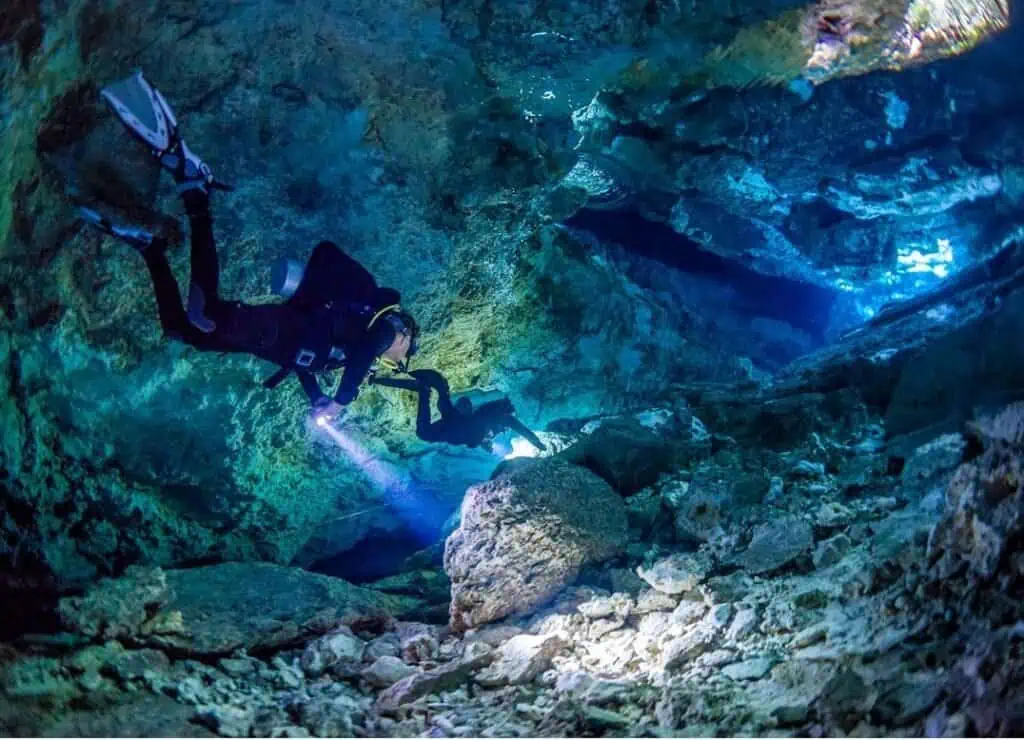
Choose a spacious, highly visual route where a certified diver with comfortable buoyancy can learn the rhythm of recreational cavern diving without jumping straight to the most demanding profiles.
See First-Cenote RoutesIf deeper recreational profiles, unusual geology and strong contrast between two dives are what you want, compare the El Pit, Zapote, Kin Ha and Angelita combinations.
See Advanced RoutesFor divers who value formations, detail and controlled movement, the Taak and Dreamgate/Nohoch combinations reward calm trim and precise buoyancy more than depth alone.
See Precision RoutesThese are Xico’s main starting points for certified divers who are new to Riviera Maya cenote diving. Each offers a different look while remaining a strong introduction when your recent diving and buoyancy are suitable.
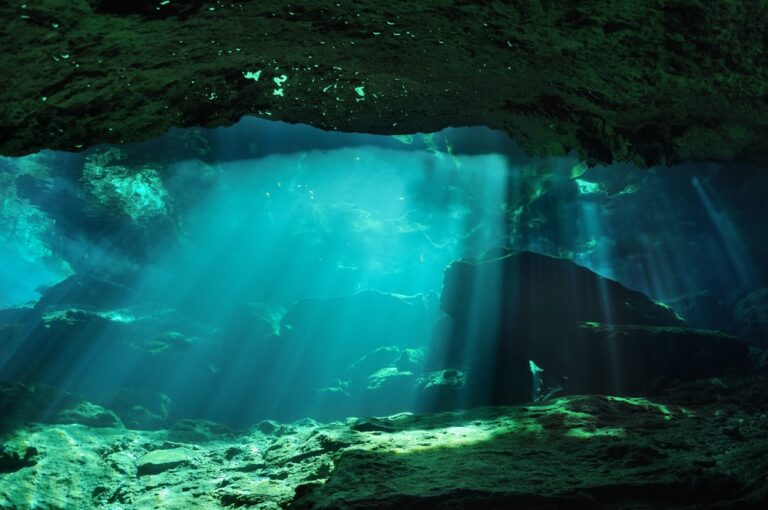
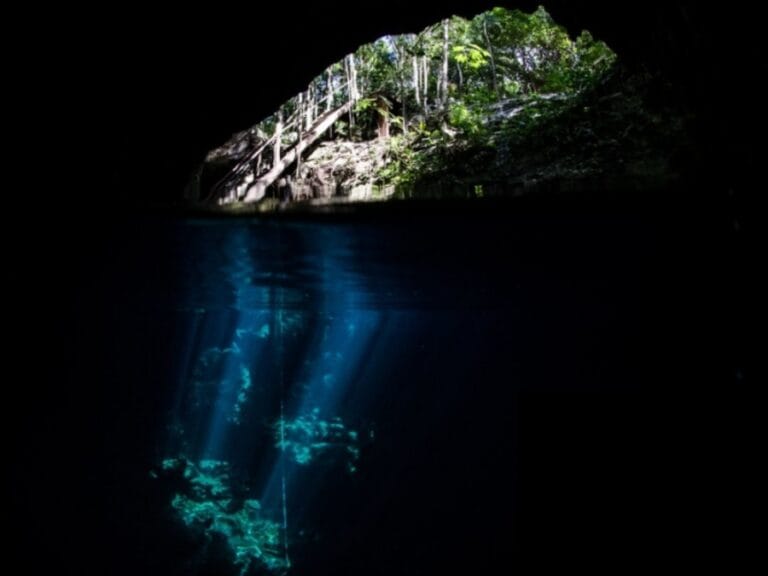
Spacious cavern routes, dramatic natural light, halocline effects and two contrasting lines make Chac Mool one of Xico’s strongest introductions to cenote diving.
Crystal-clear water and two famous cavern routes make Dos Ojos a highly visual choice for a first Riviera Maya cenote day.
A relaxed jungle setting, broad cavern spaces, formations and pronounced halocline effects give Chikin-Ha its own character among Xico’s first-cenote options.
These combinations are for divers whose certification, recent experience and depth comfort match the route. Xico confirms suitability before booking rather than treating every cenote as interchangeable.
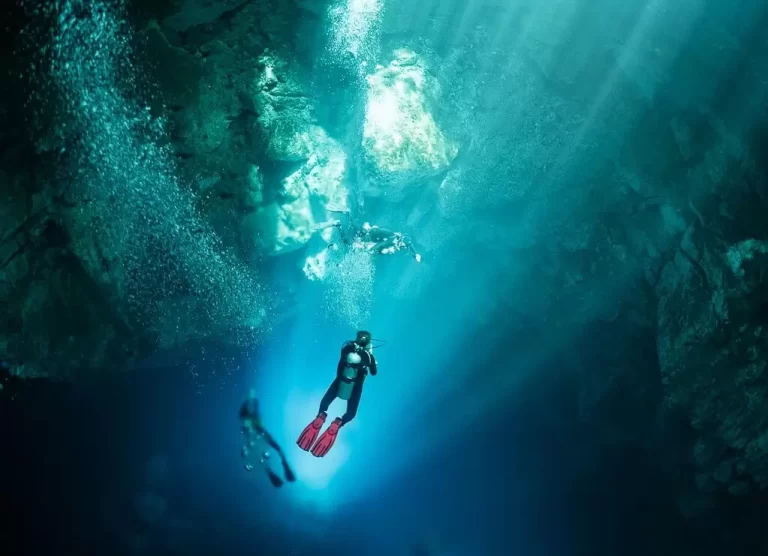
Combine the vertical blue atmosphere and depth of El Pit with a shallower, highly visual Dos Ojos cavern route.
Pair the dramatic deep profile of El Pit with the calm, shallow natural-light character of Nicte Ha.
A distinctive deep-cenote day built around Zapote’s unusual mineral formations and Kin Ha’s large cavern spaces, fossils and rock scenery.
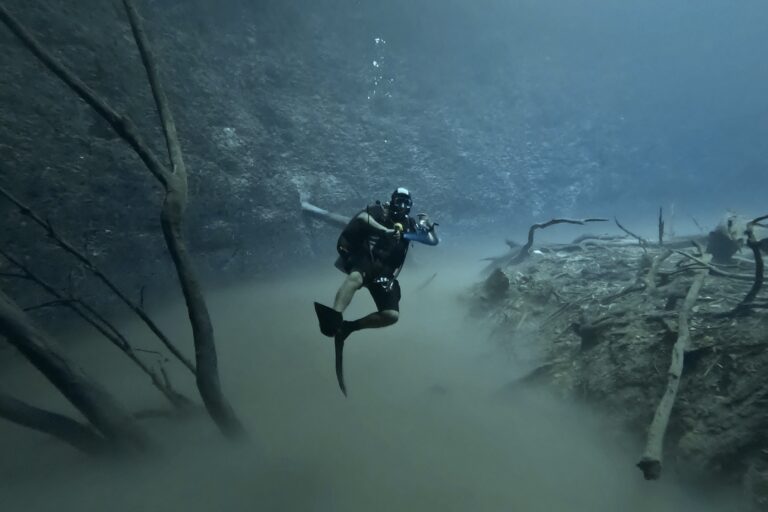
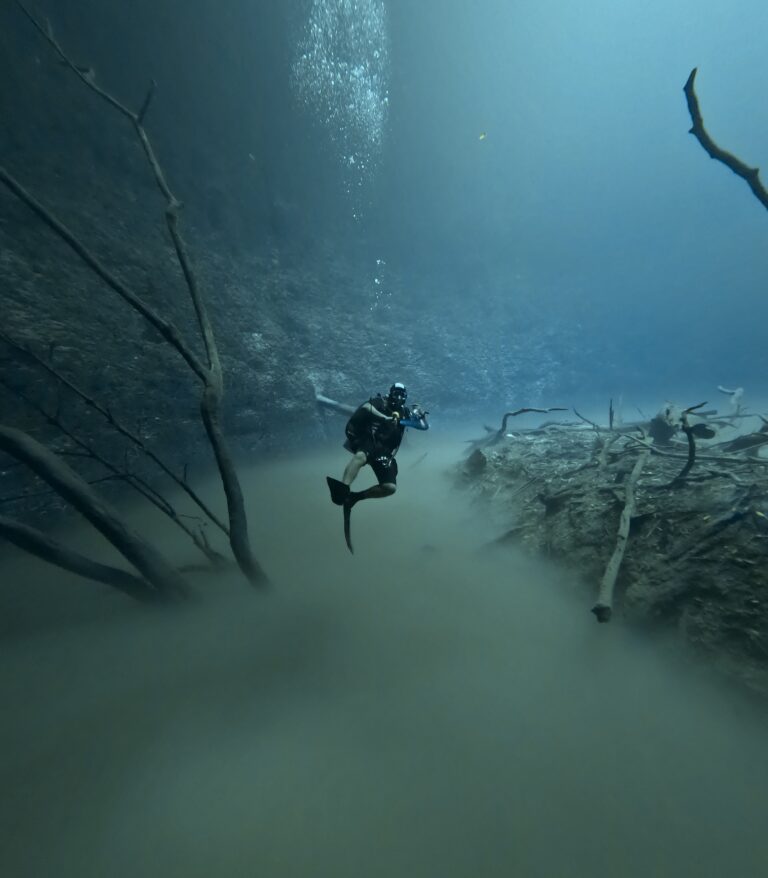
Experience Angelita’s unusual deep layered environment, then switch completely to the brighter freshwater vegetation and natural light of Carwash.
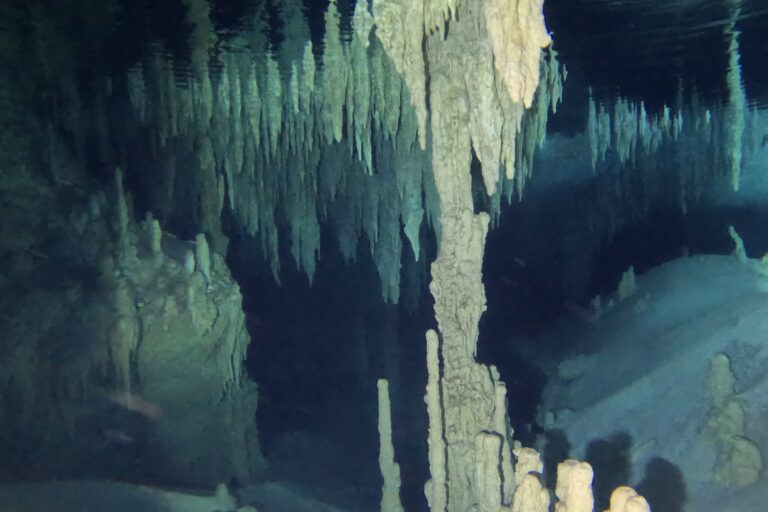
These highly decorated recreational cavern routes reward excellent buoyancy, trim, calm movement and previous cenote comfort. Xico may recommend an easier route first if your recent control is not ready for fragile passages.
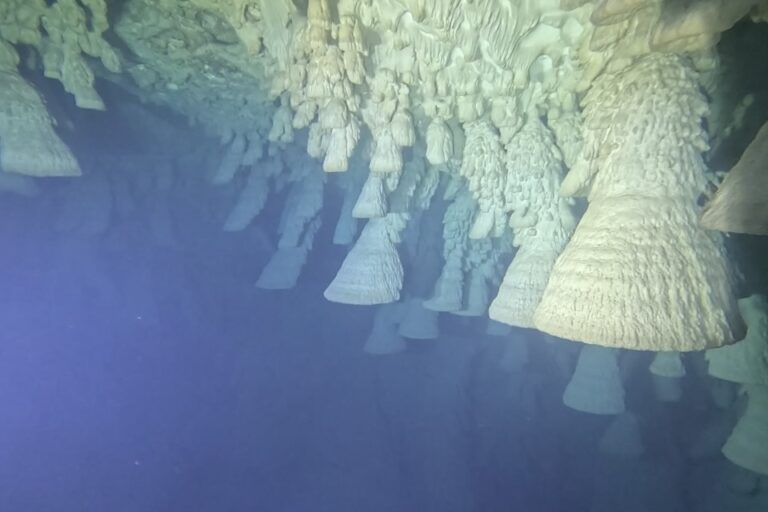
Two shallow but highly decorated cavern routes where multilevel structure, formations, trim and precise movement make control more important than depth.
Dreamgate’s intimate decorated passages and Nohoch’s larger clear chambers create a demanding, highly visual day for experienced cenote divers.
The best cenote is the one that matches your current skills and comfort, not simply the deepest or most famous name.
Xico’s recreational cenote trips remain in the cavern environment and follow the established guideline. Full cave penetration is a different discipline requiring dedicated technical cave training.
Clear, calm water does not remove the need for buoyancy, trim and awareness. If your recent diving is limited, Xico may recommend a refresher or easier check dive before a more demanding cenote.
Cenote operators can have different camera policies and site procedures. Xico confirms the rules for the selected route instead of assuming every cenote works the same way.
Xico organizes recreational cenote diving from its Playa del Carmen dive center with cavern-qualified guidance, intentionally small cavern groups and the core logistics needed for the selected cenote day.
Real Google reviews covering a first cenote dive, Dos Ojos and Chikin-Ha with Xico guides.
¡Centro de buceo increíble! Hice mi primera inmersión en cenote con Santiago: fue una gran experiencia y, gracias a él, me sentí muy seguro y relajado. Solo puedo recomendarte bucear con ellos, ya sea en los cenotes o en el mar.
Gran escuela de buceo; Lucas y Eduardo fueron excelentes guías. Las inmersiones en cenotes son imprescindibles. Hicimos Dos Ojos y Momo es el mejor instructor: muy experimentado y divertido. Gracias por todo.
¡La inmersión en cenote con Manuel de Xico Dive Center en Chikin Ha fue fantástica!!! Manu fue un excelente divemaster, muy paciente e informativo, y el briefing previo a la inmersión fue extremadamente detallado. Bucearía con él en cualquier lugar. El cenote era precioso y lo recomiendo mucho a cualquiera que busque una inmersión cómoda con vistas increíbles.
Xico’s multi-day diving packages are designed for divers who want more than one environment during their Playa del Carmen trip.
Choose a route or ask Xico to help you decide. Send your preferred date and diving background so we can recommend suitable options and confirm availability before anything is booked.
Clear answers about first-cenote choices, cavern versus cave diving, recent experience, advanced routes, water temperature, cameras and weather.
Sí. Chac Mool es una de las mejores opciones para un primer cenote para buceadores certificados porque sus rutas son relativamente someras, las cavernas son amplias, la luz natural tiene un papel importante y puedes hacer dos rutas de caverna distintas el mismo día. Aun así, debes tener un control razonable de flotabilidad y sentirte cómodo siguiendo a tu guía en un entorno de caverna.
Sí. Su poca profundidad máxima, famosas rutas de caverna, agua clara y amplias zonas de luz natural lo convierten en una de las opciones más conocidas para un primer cenote para un buceador certificado Open Water con un control razonable de flotabilidad.
Sí. Chikin-Ha combina amplios espacios de caverna, un perfil manejable de unos 15 m / 50 ft, entrada en la selva, formaciones rocosas y efectos de haloclina. Es una excelente ruta para un primer cenote para un buceador Open Water con flotabilidad tranquila y controlada.
No. Las salidas recreativas de Xico a cenotes son inmersiones guiadas de caverna dentro de la zona de luz natural, siguiendo una línea guía permanente de regreso a la entrada. El buceo Full Cave continúa más allá de la zona de caverna y requiere formación técnica formal de cueva y equipo especializado.
Indícanos la fecha de tu última inmersión y tu nivel de comodidad. Los cenotes son tranquilos y de agua clara, pero son entornos de caverna con techo donde importan la flotabilidad, trim, atención al entorno y seguimiento de la línea guía. Puede recomendarse primero un refresher o una inmersión local de verificación en arrecife.
El Pit puede alcanzar unos 30 m / 98 ft, por lo que los buceadores necesitan formación y comodidad para el perfil recreativo más profundo. Antes de entrar al entorno de caverna son importantes experiencia reciente, descensos controlados, flotabilidad, conciencia del gas y comportamiento tranquilo.
Dreamgate es un cenote muy decorado e íntimo, con formaciones delicadas y poco margen para un trim deficiente o contacto. El reto es la precisión, atención y conservación, no la profundidad. Se recomiendan encarecidamente una flotabilidad excelente y experiencia previa en cenotes.
Los cenotes de la Riviera Maya suelen estar alrededor de 24–26 °C / 75–79 °F durante todo el año. Un traje de 3 mm resulta cómodo para muchos buceadores; quienes sienten frío con facilidad pueden preferir protección térmica adicional.
Muchos cenotes permiten cámaras, pero algunos cobran una tarifa adicional y cada sitio puede aplicar reglas diferentes. Debes mantener una flotabilidad excelente y evitar cualquier contacto con las formaciones o el fondo. Confirma las reglas de la ruta seleccionada antes de llevar una cámara.
Las salidas a cenotes no dependen de que el puerto marítimo de Playa del Carmen esté abierto y una lluvia ligera normalmente no impide realizar la actividad. Sin embargo, clima severo, acceso por carretera, cierre del sitio, inundaciones u otras condiciones de seguridad u operativas pueden exigir un cambio de ruta o una reprogramación.