
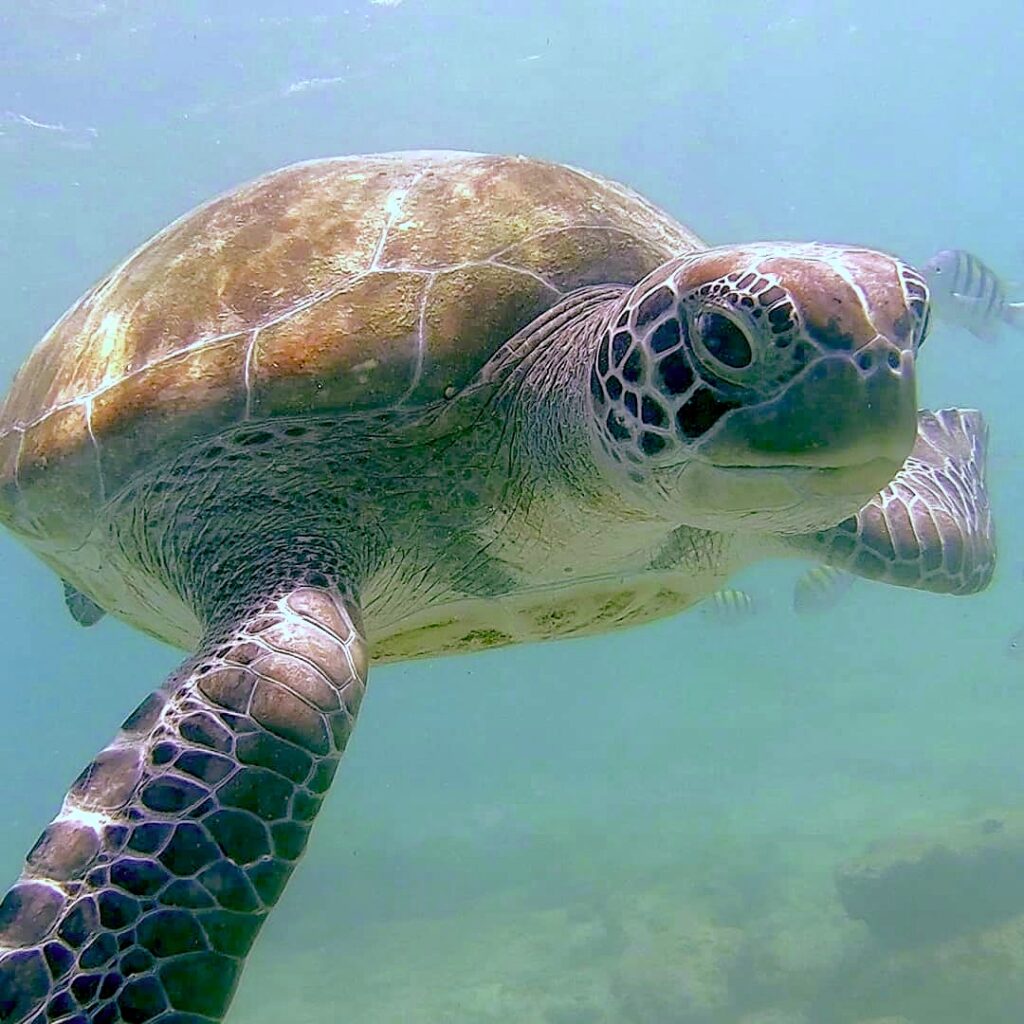
Duiken geeft ons een blik van dichtbij op riffen, onderwaterleven, cenotes en onderwaterecosystemen. Dat betekent ook dat duikers de verantwoordelijkheid hebben om te beschermen waarvoor ze zijn gekomen.
Milieuvriendelijk duiken is niet ingewikkeld. Het komt meestal neer op goed drijfvermogen, respectvol gedrag, slimme productkeuzes en de onderwaterwereld precies zo achterlaten als je hem aantrof.
Deze gids legt uit hoe je verantwoorder duikt in Playa del Carmen, de Riviera Maya en overal waar je als duiker naartoe reist.
Kort antwoord: De belangrijkste milieuvriendelijke duikgewoonten zijn goed drijfvermogen, koraal nooit aanraken, onderwaterleven respecteren, loshangende uitrusting vastzetten, rifvriendelijke zonbescherming gebruiken, wegwerpplastic verminderen, lokale regels volgen en nooit schelpen, koraal of souvenirs uit zee of cenotes meenemen.
Waarom milieuvriendelijk duiken belangrijk is
Riffen en onderwaterecosystemen zijn prachtig, maar ook kwetsbaar. Een onvoorzichtige vinslag, een hand op het koraal, losse uitrusting die over het rif sleept of onderwaterleven achtervolgen kan schade veroorzaken die veel langer blijft dan de duik zelf.
Verantwoord duiken beschermt het rif, geeft onderwaterleven minder stress en helpt toekomstige duikers van dezelfde duikstekken te genieten.
In Playa del Carmen en de Riviera Maya kunnen duikers riffen, cenotes, mariene parkgebieden zoals rond Cozumel, wrakken en seizoensgebonden haaienlocaties bezoeken. Elke omgeving heeft eigen regels, maar de basis is hetzelfde: duik gecontroleerd en met respect.
Oefen goede controle over je drijfvermogen
Goed drijfvermogen is een van de belangrijkste vaardigheden voor milieuvriendelijk duiken. Als je je positie in het water niet goed kunt controleren, is de kans veel groter dat je tegen het rif trapt, de bodem aanraakt, sediment opwervelt of kwetsbare formaties beschadigt.
Voordat je dicht bij koraal, swim-throughs, cenoteformaties of andere kwetsbare plekken duikt, moet je zeker weten dat je neutraal uitgetrimd kunt blijven en langzaam kunt bewegen.
- Blijf van de bodem af.
- Kniel niet op koraal, zandplekken met leven of cenoteformaties.
- Houd je ademhaling en aanpassingen aan je BCD onder controle.
- Beweeg langzaam en vermijd plotselinge vinslagen.
- Houd veilige afstand van het rif.
Als controle over je drijfvermogen lastig voor je is, overweeg dan eerst daaraan te werken voordat je gevoeligere duikstekken kiest. De PADI Peak Performance Buoyancy-cursus kan duikers helpen hun trim, uitloding, controle en beweging onder water te verbeteren.
Raak koraal en onderwaterleven niet aan
De eenvoudigste regel is ook een van de belangrijkste: kijken, niet aanraken.
Koraal leeft en is kwetsbaar. Koraal aanraken, erop staan, het vastpakken of ertegen trappen kan schade veroorzaken. Hetzelfde geldt voor onderwaterleven. Schildpadden, roggen, alen, verpleegsterhaaien, vissen en andere dieren bekijk je rustig en op respectvolle afstand.
- Raak koraal niet aan.
- Jaag dieren niet achterna.
- Voer onderwaterleven niet.
- Blokkeer de route van een dier niet.
- Gebruik onderwaterleven niet als fotoprop.
De mooiste ontmoetingen ontstaan wanneer duikers rustig blijven en onderwaterleven zich natuurlijk laten gedragen.
Zet loshangende uitrusting vast
Loshangende uitrusting kan het rif beschadigen zonder dat de duiker het merkt. Manometers, alternatieve luchtvoorzieningen, camera’s, clips, lampen en accessoires moeten dicht bij je lichaam worden vastgezet.
Controleer vóór je het water ingaat of er niets onder je hangt. Goed gestroomlijnde uitrusting beschermt het rif en maakt je bovendien een efficiëntere duiker.
- Klik je meters en accessoires vast.
- Houd slangen netjes bij je lichaam.
- Houd camera’s zorgvuldig vast.
- Laat vinnen, meters of uitrusting niet over de bodem slepen.
Gebruik rifvriendelijke zonbescherming
Zonbescherming is belangrijk in Mexico, maar duikers moeten opletten wat er in het water terechtkomt.
De beste eerste stap is fysieke zonbescherming: rashguards, hoeden, zonnebrillen, schaduw en handdoeken. Gebruik je zonnebrandcrème, kies dan een rifvriendelijke variant en smeer geen dikke laag vlak voordat je het water ingaat.
In sommige beschermde gebieden gelden strengere regels voor zonnebrandcrème, vooral rond riffen en cenotes. Vraag het vooraf als je twijfelt.
Heb je vóór je duikdag rifvriendelijke zonnebrandcrème nodig, dan verkopen we die bij Xico Dive Center.
Gebruik minder wegwerpplastic
Plasticvervuiling is een van de meest zichtbare problemen die duikers onder water tegenkomen. Flessen, tassen, verpakkingen, vislijn en ander afval kunnen onderwaterleven schaden en het milieu beschadigen.
Met eenvoudige keuzes tijdens je reis kun je je impact verminderen:
- Neem een herbruikbare waterfles mee.
- Vermijd waar mogelijk plastic wegwerptassen.
- Laat geen afval achter op boten, stranden of bij cenotes.
- Gebruik navulpunten wanneer die beschikbaar zijn.
- Verpak snacks waar mogelijk in herbruikbare bakjes.
Kleine gewoonten maken verschil wanneer elke dag veel duikers en reizigers dezelfde gebieden bezoeken.
Raap afval alleen op als dat veilig is
Zie je onder water afval en kun je het veilig meenemen, dan kan verwijderen ervan helpen om onderwaterleven te beschermen. Maar veiligheid gaat altijd voor.
Pak geen afval op als dat jou, je buddy, het rif of het onderwaterleven in gevaar brengt. Blijf af van scherp metaal, vishaken, verwarde vislijn, instabiele voorwerpen of iets dat je alleen kunt verwijderen door de omgeving te beschadigen.
Als je tijdens een duik klein afval verzamelt, houd dan controle over je drijfvermogen en vertel het je gids. Maak van een normale duik nooit een onveilige schoonmaakactie.
Neem geen souvenirs mee uit zee of cenotes
Schelpen, stukken koraal, stenen, botten en andere natuurlijke voorwerpen horen te blijven waar ze zijn. Zelfs kleine voorwerpen kunnen onderdeel zijn van het ecosysteem of de culturele omgeving.
Maak foto’s, neem geen souvenirs mee.
Dit is vooral belangrijk in cenotes, beschermde gebieden, riffen en mariene parken, waar het meenemen van natuurlijke voorwerpen de locatie kan beschadigen en in strijd kan zijn met lokale regels.
Volg lokale regels en de briefing van je gids
Voor verschillende duikstekken gelden verschillende regels. Cenotes, riffen, mariene parken, wrakken, haaienlocaties en beschermde gebieden kunnen allemaal specifieke eisen hebben.
De briefing van je gids is niet zomaar routine. Je hoort daarin hoe je op die specifieke duikstek veilig en verantwoord duikt.
- Luister naar de briefing.
- Volg de geplande route.
- Respecteer de limieten voor diepte en tijd.
- Blijf bij je buddy en gids.
- Volg de regels voor camera’s, lampen, zonnebrandcrème en omgang met onderwaterleven.
Verantwoord duiken begint al voordat je het water ingaat.
Bescherm cenotes anders dan riffen
Cenotes zijn niet hetzelfde als riffen in zee. Het zijn zoetwateromgevingen met kwetsbare formaties, bijzondere lichtomstandigheden en eigen regels.
Goed drijfvermogen is extra belangrijk. Raak formaties niet aan, wervel geen sediment op en wijk niet af van het plan van de gids.
Ga je voor het eerst in cenotes duiken, kies dan een duikplan dat bij je niveau past en luister goed naar de briefing.
Wees voorzichtig met foto’s en video
Veel duikers verliezen onbedoeld de controle doordat ze te veel op hun camera letten. Een goede foto is beschadigd koraal of gestrest onderwaterleven niet waard.
Als je onder water een camera gebruikt:
- Houd eerst je drijfvermogen onder controle voordat je filmt.
- Jaag dieren niet achterna voor een foto.
- Raak het rif niet aan om jezelf te stabiliseren.
- Zet lampen en accessoires goed vast.
- Laat de gids de route en veiligheid bepalen.
De beste onderwaterbeelden ontstaan door rustig en respectvol gedrag.
Kies duiken die bij je vaardigheden passen
Milieuvriendelijk duiken is makkelijker als de duik past bij wat je werkelijk aankunt. Als een duik te moeilijk is, kan een duiker te hard trappen, de bodem aanraken, zijn handen gebruiken, de controle over het drijfvermogen verliezen of gestrest raken.
Wees vóór het boeken eerlijk over je brevetniveau, datum van je laatste duik, aantal gelogde duiken en hoe comfortabel je je voelt.
Heb je lang niet gedoken, ben je zenuwachtig of heb je weinig vertrouwen in je drijfvermogen, begin dan met een makkelijke lokale rifduik of een opfrisduik voordat je gevoeligere of zwaardere duikstekken kiest.
Kies verantwoordelijke duikoperators
Het duikcentrum dat je kiest maakt verschil. Een verantwoordelijke duikoperator hoort aandacht te hebben voor veiligheid, briefings, lokale regels, groepscontrole, uitrusting en het milieu.
Bij Xico Dive Center geven we liever een eerlijk advies dan iedere duiker in elke activiteit te stoppen. Sommige duiken zijn geschikt voor nieuwe duikers, terwijl andere meer comfort, beter drijfvermogen of meer ervaring vereisen.
Een veiliger duikplan is meestal ook beter voor het rif.
Checklist voor milieuvriendelijk duiken
| Oefenen | Waarom dit belangrijk is |
|---|---|
| Goed drijfvermogen | Helpt contact met koraal en de bodem en schade door sediment te voorkomen |
| Niet aanraken | Beschermt koraal, onderwaterleven en cenoteformaties |
| Zet je uitrusting goed vast | Voorkomt dat slangen, meters en accessoires over de bodem slepen |
| Rifvriendelijke zonbescherming | Vermindert onnodige chemische belasting van het water |
| Minder wegwerpplastic | Vermindert afval dat onderwaterleven kan schaden |
| Geen souvenirs meenemen | Laat natuurlijke voorwerpen liggen waar ze thuishoren |
| Volg de briefings | Respecteert lokale regels, veiligheidsplannen en beschermde gebieden |
| Kies het juiste duikniveau | Vermindert stress en onbedoelde schade aan het milieu |
Klaar om verantwoorder te duiken?
Vertel ons welk brevet je hebt, wanneer je voor het laatst hebt gedoken, ongeveer hoeveel duiken je hebt en wat voor duiken je in Playa del Carmen wilt doen.
We adviseren een duikplan dat past bij je niveau, comfort en de omstandigheden, zodat je verantwoord van de onderwaterwereld kunt genieten.
Veelgestelde vragen over milieuvriendelijk duiken
Wat zijn milieuvriendelijke duikgewoonten?
Milieuvriendelijke duikgewoonten zijn gewoonten die je impact onder water verminderen, zoals goed drijfvermogen, koraal niet aanraken, onderwaterleven respecteren, uitrusting vastzetten, minder plastic gebruiken en lokale regels volgen.
Hoe kan ik koraalriffen beschermen tijdens het duiken?
Bescherm koraalriffen door neutraal uitgetrimd te blijven, veilige afstand te houden, koraal niet aan te raken, loshangende uitrusting vast te zetten, rustig te bewegen en de briefing van je gids te volgen.
Waarom is goed drijfvermogen belangrijk voor verantwoord duiken?
Goed drijfvermogen helpt onbedoeld contact met koraal, zand, onderwaterleven en cenoteformaties te voorkomen. Het is een van de belangrijkste vaardigheden om duikstekken te beschermen.
Mag ik onderwaterleven aanraken tijdens het duiken?
Nee. Raak onderwaterleven niet aan, jaag het niet achterna, voer het niet en val het niet lastig. Kijk rustig vanaf een respectvolle afstand en laat dieren zich natuurlijk gedragen.
Moet ik rifvriendelijke zonnebrandcrème gebruiken vóór het duiken?
Gebruik eerst fysieke zonbescherming, zoals rashguards, hoeden en schaduw. Gebruik je zonnebrandcrème, kies dan een rifvriendelijke variant en breng geen dikke laag aan vlak voordat je het water ingaat.
Mag ik tijdens een duik afval oprapen?
Alleen als het veilig is. Verzamel geen afval als dat risico oplevert voor jou, je buddy, het rif, het onderwaterleven of je controle over het drijfvermogen. Vertel je gids als je onder water afval aantreft.
Waarom mogen duikers geen schelpen of koraal meenemen?
Natuurlijke voorwerpen horen in hun omgeving. Schelpen, koraal, stenen of andere souvenirs meenemen kan het ecosysteem verstoren en in beschermde gebieden in strijd zijn met lokale regels.
Zijn cenotes kwetsbare omgevingen?
Ja. Cenotes zijn kwetsbare zoetwateromgevingen. Duikers moeten goed drijfvermogen hebben, formaties niet aanraken, geen sediment opwervelen en het plan van de gids zorgvuldig volgen.
Hoe beïnvloeden onderwatercamera’s milieuvriendelijk duiken?
Camera’s kunnen duikers afleiden. Film of fotografeer je, zorg dan eerst voor controle over je drijfvermogen, jaag dieren niet achterna, zet accessoires vast en raak het rif nooit aan om jezelf te stabiliseren.
Tot slot
Milieuvriendelijk duiken gaat niet om perfect zijn. Het gaat erom dat je je bewust, beheerst en respectvol onder water gedraagt.
Goed drijfvermogen, verantwoord gedrag, rifvriendelijke keuzes en respect voor lokale regels helpen de riffen, cenotes en het onderwaterleven te beschermen die duiken in Mexico zo bijzonder maken.